
The first week matters more than the first offer
If you’re selling an inherited watch, the biggest mistake is treating it like a quick clear-out. A good decision needs a little pause. Grief doesn’t mix well with negotiation.
A common thread in online discussions is urgency. Someone finds a drawer full of old pieces. They want a price by Friday. That rush is where value leaks out, especially with selling inherited timepieces.
Put the watch somewhere dry and stable. Keep it away from radiators and windowsills. If it’s on a bracelet, lay it flat so the links don’t twist.
Write down what you know. Who owned it. Roughly when it was bought. Where it was worn. This matters later, even if it feels trivial today.
Work out what you actually have
People often sell “a Rolex” when they actually have a specific reference with a specific dial. Those details move the price more than the brand name. The same applies to Audemars Piguet and Patek Philippe.
Start with the basics. Case metal. Approximate size. Dial colour. Date or no date. Bracelet or strap.
If the watch is running, don’t assume it’s healthy. If it’s not running, don’t assume it’s worthless. Mechanical pieces can stop for simple reasons.
Don’t open the caseback. Don’t poke at the movement. A slipped tool can turn a saleable watch into a parts job.
For many models, the reference is engraved on the case or between the lugs. On some modern pieces, markings may be elsewhere. If you can’t find it easily, stop digging.
The value of inherited watches usually depends on originality. A rare dial can matter more than a recent service. A correct bracelet can matter more than a polished case.
Condition mistakes that cost real money
The most expensive “help” is amateur cleaning. People reach for metal polish. They reach for a Cape Cod cloth. They mean well. They remove metal and soften edges.
Skip the ultrasonic cleaner. Skip the toothbrush under the tap. Water resistance is never guaranteed on an older watch.
If you must clean anything, keep it gentle. Use a dry microfibre cloth on the case and crystal. Leave grime in the bracelet if you’re unsure.
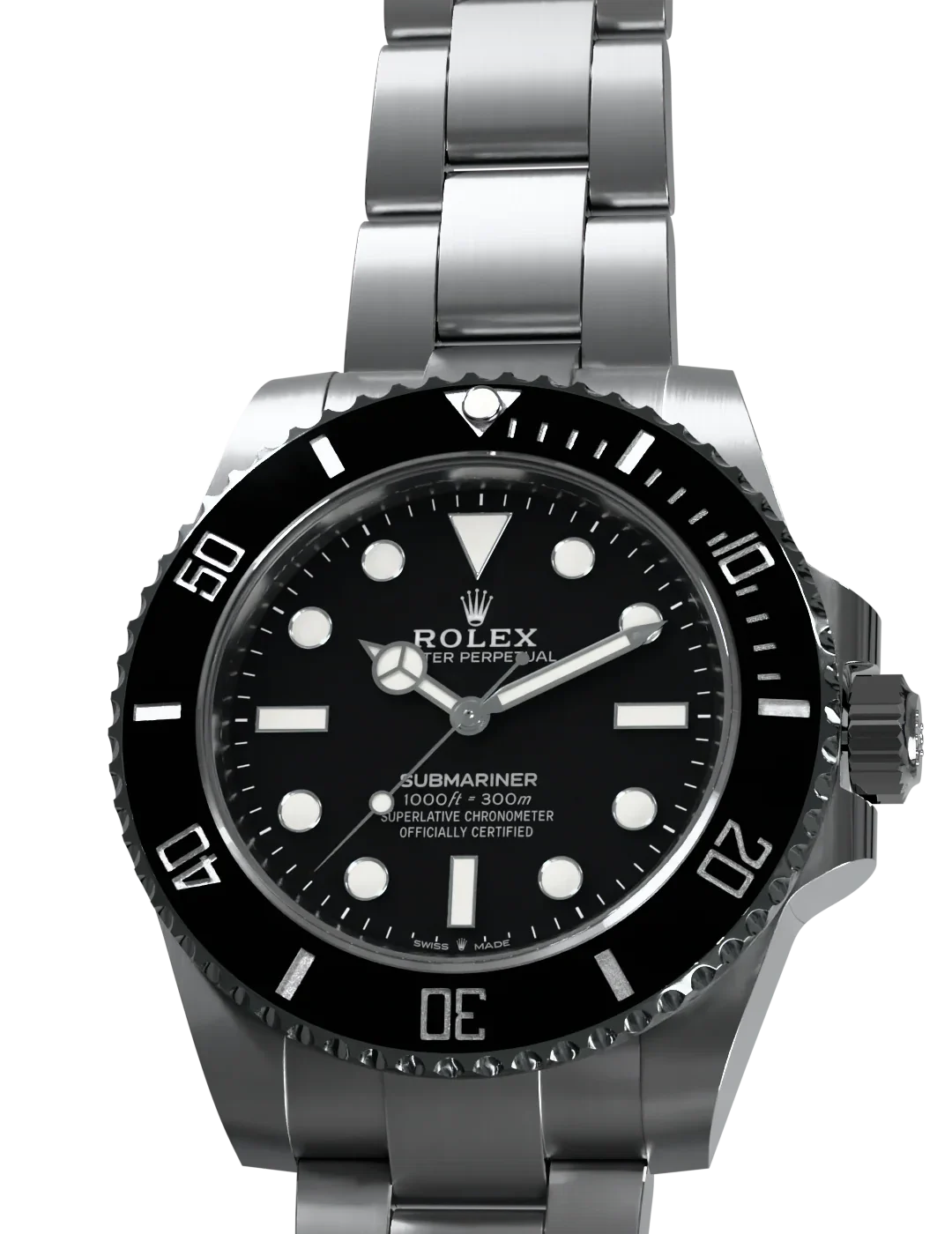
Polishing is its own trap. A heavily polished Rolex Submariner can look shiny. It can also look wrong to a buyer who cares about case lines.
Be careful with straps. A cracked leather strap is normal. Replacing it with a generic strap can make the set look less complete.
- Don’t polish the case or bracelet
- Don’t remove links unless they’re already loose
- Don’t swap parts between watches to “make one good one”
- Don’t throw away anything that came in the box
Boxes, papers and the bits people forget
Many inherited sales go wrong in a bin bag. The outer box looks tatty. The booklet looks boring. The hang tag looks like packaging. It all gets tossed.
Keep everything together. Box, papers and warranty card sit at the top of the list. So do spare links, booklets and service receipts.
If there’s a named retailer stamp, keep it visible. If there’s a dated service invoice, keep it flat and clean. Creased paperwork looks careless, even when it’s genuine.
Provenance can be as simple as a clear story. A watch bought to mark a promotion reads differently from “found in a drawer”. Write down what you can confirm.
If the estate is in probate, be organised. Keep a record of where the watch is stored. Keep a record of any written valuations. The UK Government’s guidance on applying for probate helps with the wider process.
Where people slip up on pricing
The second biggest mistake is choosing a number before choosing a route. Retail listings aren’t trade offers. Auction headlines aren’t net proceeds.
Ignore the highest asking price you can find. That seller may still be waiting in 2026. Look for patterns instead. Condition, set completeness and dial details usually explain the spread.
If you want a sane starting point, get the watch identified properly. A reputable watchmaker can help with a basic assessment. The British Horological Institute is a useful reference for the profession.
Resist “instant valuation” culture. It tends to reward speed over accuracy.
This is also where a simple guide on how to sell a watch falls short. Inherited pieces come with unknown history. That changes risk for a buyer.
Choosing the right route to market
Most regrets come from picking the wrong channel. People chase the highest headline price. They forget fees, time and hassle.
You’ll see plenty of advice online about the best places to sell watches. It usually splits into three lanes. Private sale, auction and specialist dealer purchase.
Private sale can pay well. It also attracts timewasters and scammers. It demands good photography, calm messaging and secure meet-ups.
Auction can suit unusual pieces. It can also be unpredictable. You may wait months for a slot, then wait again for settlement.
A specialist dealer is often the cleanest route for high-end brands. That’s especially true for Rolex, Audemars Piguet and Patek Philippe. Kings & Queens Watches focuses on those names. It’s a UK business that deals in pre-owned luxury watches.
Be honest about your aim. If you want maximum certainty, optimise for certainty. If you want maximum price, prepare for friction.
Protect yourself during the deal
The final set of mistakes happens at the point of contact. The watch is in your hand. The buyer is charming. Pressure arrives fast.
Take proper photos before you meet anyone. Dial, caseback, clasp and any markings you can capture without tools. Photograph the full set too.
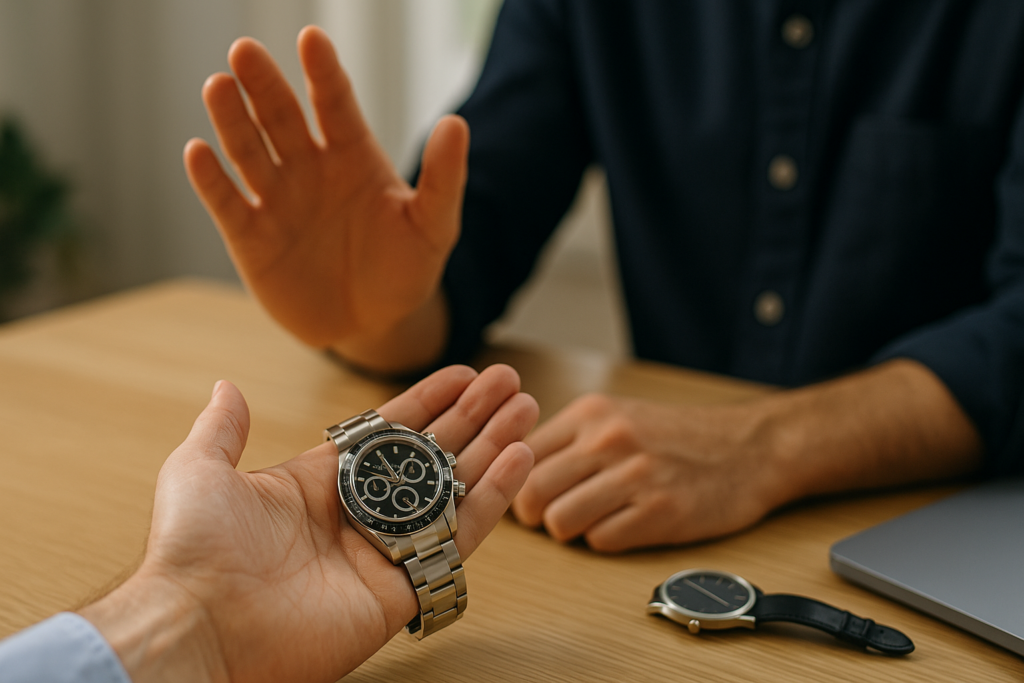
Don’t hand over the watch “for inspection” without a clear process. If you’re meeting, choose a public place with staff around. A hotel lobby is better than a car park.
Be wary of complicated stories. Be wary of “my mate will pay you later”. Simple deals are safer deals.
If you’re posting a watch, pack it like it can fall off a van. Inner box inside an outer box. No brand logos on the outside. Keep proof of posting.
If you want a short set of watch selling tips, here it is. Slow down. Keep the set complete. Avoid polishing. Choose the route that matches your tolerance for risk.
Most of all, remember this. A fair offer today can be better than an optimistic promise next month. That’s the quiet truth of selling an inherited watch.
Frequently Asked Questions
Should I service an inherited luxury watch before selling it?
A full service isn’t always the best move. Buyers often prefer originality over fresh parts, especially on collectible models. Get it assessed first, then decide with the sale route in mind.
Does a missing box or papers ruin the value?
It usually lowers demand, yet it doesn’t make the watch unsaleable. Condition and authenticity still matter most. If you later find paperwork, keep it together and share it with the buyer.
Can I clean the watch to make it look better in photos?
Light, dry wiping with a microfibre cloth is fine. Avoid polishes and water. Don’t try to remove scratches, since that can do permanent damage.
What should I do if I inherited multiple watches and know nothing about them?
Separate them into groups and keep each set together with any accessories. Photograph each watch clearly from several angles. Then get them identified one by one before you accept any offers.