Luxury watch repair & servicing.
A prestige mechanical timepiece is engineered to perform flawlessly for generations, but maintaining its precision requires master horological care. At Kings & Queens Watches, we provide a comprehensive array of expert luxury watch repair UK services designed to protect the mechanical performance and aesthetic value of your investment.
Precision mechanical watch maintenance.
From routine preventative diagnostics to complete multi-complication overhauls, our highly skilled watchmaking network utilizes state-of-the-art diagnostic equipment and genuine manufacturer components to service the world’s finest watch brands.
The internal movement of a premium watch comprises hundreds of microscopic components that operate under constant friction. Over time, specialized synthetic oils dry out, causing accelerated wear on delicate gears.
We recommend comprehensive mechanical watch maintenance every 3 to 5 years to keep your timepiece running within factory chronometer specifications. Our foundational multi-point servicing framework includes:
- Complete movement deconstructionTotal disassembly of the caliber to inspect every wheel, pinion, and spring for wear.
- Ultrasonic cleaningGentle removal of aged lubricants and micro-debris from all moving parts using advanced acoustic baths.
- Precision re-lubricationApplying modern synthetic oils to critical friction points to maximize kinetic efficiency.
- Timing adjustments & calibrationRegulating the balance wheel across multiple positions to eliminate daily positional variances.
Specialist Rolex servicing & horological restoration.
Different watchmaking houses build entirely different movement architectures. Our technical team is specifically trained to execute manufacturing-grade tasks across the industry’s benchmark brands.
Rolex servicing & calibration
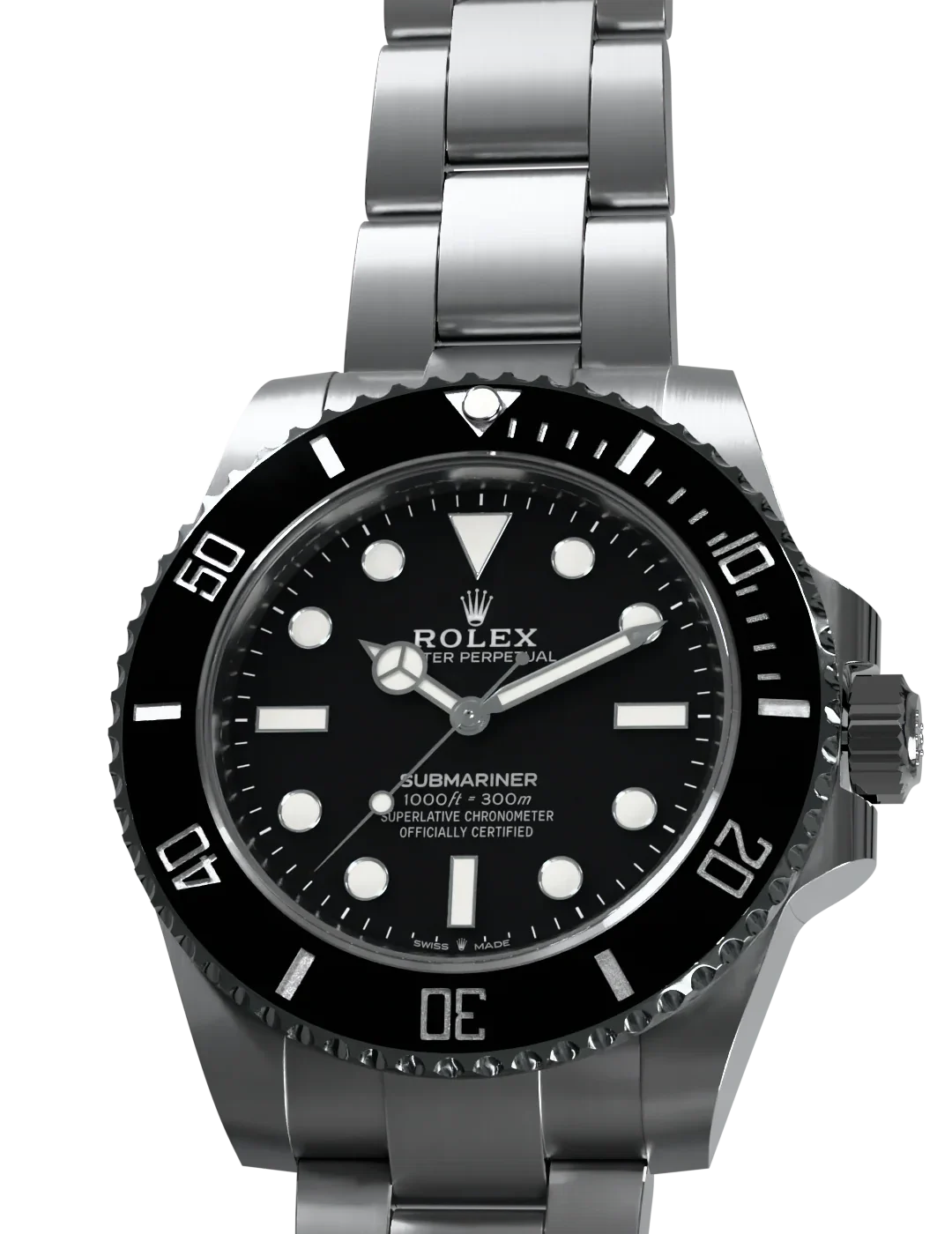
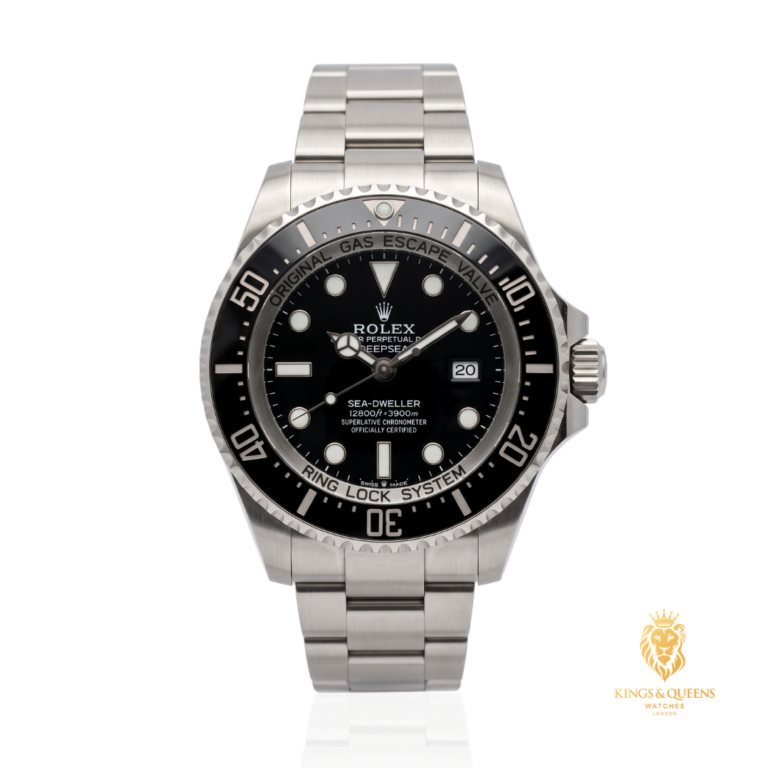
Whether it is a modern Caliber 3235 powering a Submariner or a vintage sports reference, our dedicated Rolex servicing UK workflow ensures your watch retains its rigorous performance standards. We trace, analyze, and repair common mechanical anomalies like power reserve drop-offs or winding resistance using original components.
Watch restoration specialist interventions
If a timepiece has suffered severe impact damage, moisture ingress, or years of structural neglect, our watch restoration specialist team can rebuild it. We specialize in sourcing rare components for legacy models from Patek Philippe, Audemars Piguet, Cartier, Hublot, and Richard Mille, breathing new life into damaged family heirlooms or auction acquisitions.
Luxury watch polishing & case refinishing
Cosmetic restoration requires an incredibly steady hand. Our mastery of luxury watch polishing allows us to remove surface abrasions, scuffs, and deep dents while strictly preserving the original factory geometry, sharp chamfers, and contrasting satin/mirror finishes of the case and bracelet. We never over-polish, protecting the structural value of your asset.
Waterproofing & pressure testing safeguards
Every watch that leaves our repair facilities undergoes stringent atmospheric testing to verify its environmental seals. We replace all synthetic gaskets in the crown, crystal, and caseback, followed by high-pressure dry and wet testing to ensure your timepiece meets its original depth-resistance ratings before it is returned to you.
Kings & Queens Watches London is an independent dealer specialising in high-end luxury timepieces.
Based in Hatton Garden, London, we source and supply exceptional watches from some of the world’s most respected brands, including Rolex, Audemars Piguet, Patek Philippe, Richard Mille, Cartier and F.P.Journe. We pride ourselves on transparency, discretion and professional service from your first enquiry through to secure delivery and ongoing ownership.
Arrange your service consultation.
Keep your timekeeping asset pristine. Contact our diagnostic team today to schedule an insured transit collection, drop off your timepiece, or receive a transparent repair estimate.
Instant quote via WhatsApp: click our message link to share images of your watch or detail your mechanical issues for a rapid initial assessment.
Watch care & valuation.
Watch service and repairs in Hatton Garden
Service and repairs for Kings & Queens clients are carried out by our sister workshop, Alpha Group, in the same building at 9 St. Cross Street, Hatton Garden. A watch you buy from us, or one you already own, can go from our showroom to a watchmaker's bench without leaving the building. This page explains what a full service involves, the signs that a watch needs attention, and how to arrange service and repairs for your own watch.
Every mechanical watch needs care eventually, however well it is made. Oils age, seals harden and small knocks add up over the years. Knowing what happens during a service, and what to ask before work begins, helps you protect how your watch runs and looks. If you are not sure whether your watch needs anything at all, send a few photos on WhatsApp and we will point you in the right direction.
Read moreShow less
What a full service involves
The overview above describes the movement work. Seen from the owner's side, a full service is a sequence of stages. The exact steps depend on the brand, the calibre and the condition of the piece, but a complete service on a mechanical watch generally runs in this order:
- Assessment. The watchmaker checks the timekeeping, power reserve, winding and setting, and notes the condition of the case, crystal, dial, hands and bracelet before anything is touched.
- Estimate. You are told what the watch needs and given an estimate, so you can decide before any work begins.
- Movement. The movement is taken apart, cleaned, inspected, lubricated, reassembled and regulated, and worn parts are replaced.
- Case and bracelet. The crown, tube, pushers, crystal and bezel are checked, and the bracelet is cleaned and its pins, screws and clasp inspected.
- Seals. The gaskets are renewed and the case is pressure tested against its rated depth.
- Final checks. The assembled watch is checked for accuracy and power reserve before it goes back to its owner.
Service and repairs are different jobs, although the two often overlap. A repair fixes a specific fault, such as a broken crystal, a stiff crown or a date that will not change. A full service is preventive: it renews the oils and seals that wear out in every watch, whether or not anything has gone wrong yet. Many jobs start with one small symptom and turn out to need both.
Signs your watch needs service and repairs
Most watches give some warning before they stop. If you notice any of the following, arrange service and repairs sooner rather than waiting for the next scheduled date:
- It gains or loses noticeably more than it used to, or the rate changes from day to day.
- It stops overnight although it was fully wound, or the power reserve seems shorter than it should be.
- The crown feels gritty, loose or stiff when you wind or set it, or no longer screws down smoothly.
- The date changes at the wrong time of day, or only changes halfway.
- You can see fogging or droplets under the crystal.
- A chronograph hand does not return cleanly to zero, or the pushers feel different.
- The rotor of an automatic watch makes a new scraping or grinding sound.
- The bezel is loose, has stopped clicking or will not turn.
- The bracelet has stretched, or the clasp no longer closes firmly.
Moisture is the one sign that should never wait. If you see condensation, stop wearing the watch, leave the crown closed and book service and repairs promptly, because water inside a case can start corrosion quickly. A sudden gain of several minutes a day, on the other hand, is often magnetism rather than a fault, and demagnetising a watch is a quick job.
How often should a watch be serviced?
The simplest answer is to follow the manufacturer's recommended service interval for your watch. Each brand sets its own guidance for its own movements, and the intervals vary between makers and models. Rolex, for example, recommends a service approximately every 10 years for its modern watches. Other manufacturers publish their own advice, so check the official websites of Audemars Piguet, Patek Philippe or Cartier for the model you own.
An interval is a guide rather than a deadline. A watch worn daily for swimming, sport or travel works harder than one kept for occasional evenings, an older watch may need attention sooner than a modern one, and oils age even in a watch that sits unworn in a drawer. If anything in the list above applies, arrange service and repairs on the strength of the symptoms rather than the calendar.
Water resistance checks during service and repairs
Water resistance is not a permanent feature of a watch. It depends on gaskets around the caseback, crown, crystal and any pushers, and those seals age, compress and dry out with time, heat and wear. A watch that was rated to 100 metres when new can let in moisture years later if its seals have never been renewed.
A pressure test checks whether the case is still sealed. It is worth asking for one before a holiday or a summer of swimming, after a hard knock, and whenever the caseback has been opened, including for a battery change on a quartz watch. During full service and repairs the gaskets are replaced and the case is tested before the watch is returned, as described in the waterproofing section above.
Between tests, everyday habits do most of the work: keeping the crown closed, rinsing off salt water and chlorine, and avoiding heat. Our watch care guide covers them in detail.
Polishing during service and repairs
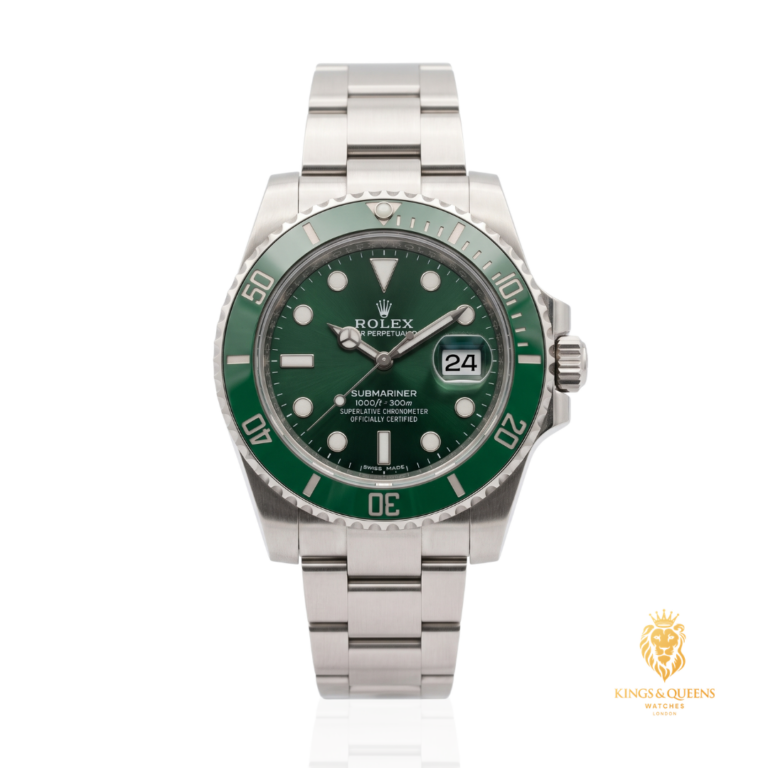
Polishing removes a thin layer of metal every time it is done. Done carefully, it can lift light scratches and make a well-worn watch look cared for again. Done too often or too heavily, it softens sharp edges, rounds off bevels and blurs the line between brushed and polished surfaces, and none of that can be put back.
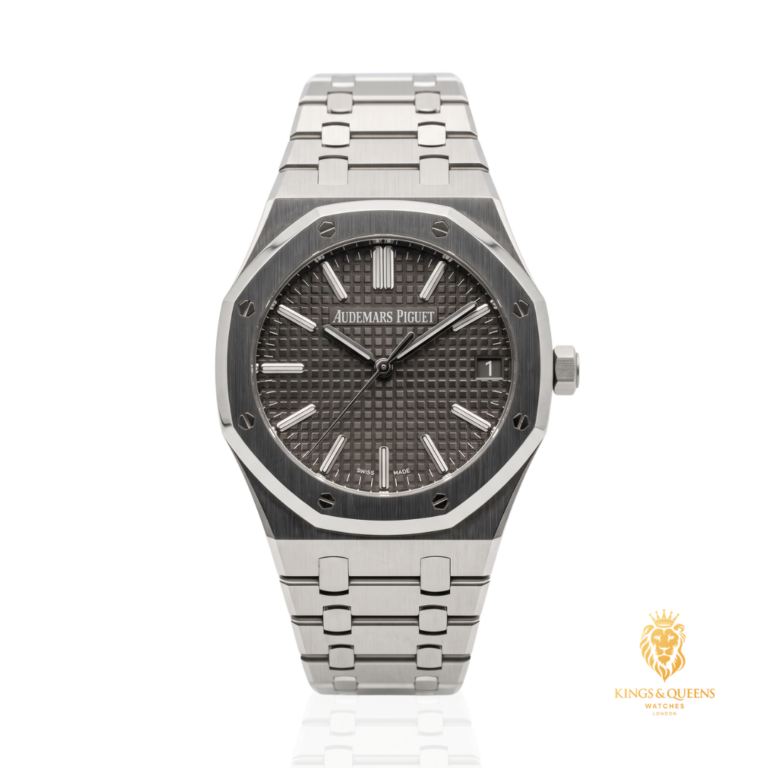
It matters most on designs where the finishing is the point. The Audemars Piguet Royal Oak, launched in 1972, combines satin-brushed surfaces with polished bevels on its octagonal bezel, case and integrated bracelet, and those crisp transitions are a large part of its appeal. Many collectors would rather own a case that shows honest wear than one that has lost its original lines.
You can ask for service and repairs without any polishing, or for light refinishing of the bracelet only. If you are thinking of selling the watch in the near future, talk to us before deciding, because we can explain how buyers view condition, and a free, no-obligation valuation costs you nothing.
Genuine parts and service records
When a part has to be replaced during service and repairs, genuine manufacturer components keep a watch as its maker intended. Non-original parts, such as aftermarket crowns, bezels, hands, dials or bracelets, can affect water resistance, timekeeping and appearance. They also raise questions when the watch is later authenticated or sold, and they can be difficult to reverse.
It is reasonable to ask which parts were replaced and why. Keep the service paperwork with the watch's box and papers, because a clear record of service and repairs helps the next owner understand the watch's history. It helps you too: when you come to sell, a complete set of box, papers and spare links is valued higher.
Service and repairs by brand
The principles of service and repairs are the same for every mechanical watch, but each manufacturer has its own construction, parts and finishing. A few points that owners of the brands we deal in often ask about:
- Rolex. The Oyster case, introduced in 1926, seals with a screw-down caseback and crown, so the crown and tube are checked closely. Rolex recommends servicing modern watches approximately every 10 years.
- Audemars Piguet. Integrated bracelets and hand-finished surfaces make refinishing a specialist job, so agree in advance whether any polishing is wanted.
- Patek Philippe. Complications such as annual calendars and chronographs add parts and adjustment work, so describe any fault as precisely as you can.
- Cartier. The range includes quartz as well as mechanical models, and a quartz watch still needs its seals checked whenever the battery is changed.
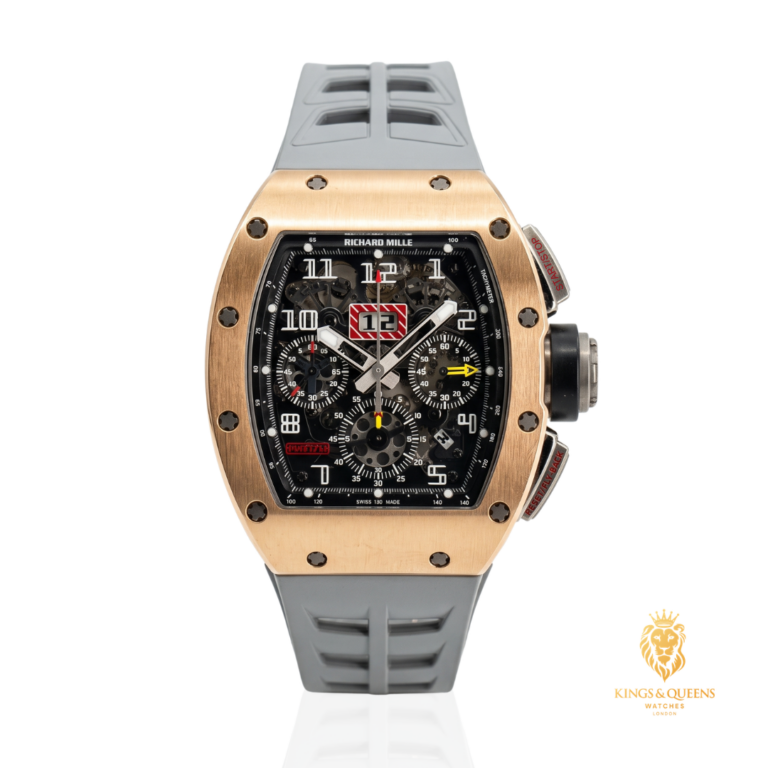
- Richard Mille and Hublot. Multi-part cases and unusual materials mean the case work needs particular care, so ask how it will be handled.
Service and repairs for watches bought from Kings & Queens
Before any watch is offered for sale, it is inspected and authenticated by experienced watch specialists, and its serial number, bracelet number, movement identifiers and case markings are recorded. Pre-owned watches come with our 12-month mechanical warranty from delivery, unless the listing says otherwise.
New watches are covered by the manufacturer's warranty, and where a watch is still within a manufacturer's warranty, the manufacturer's terms apply. If you are not sure which cover applies to your watch, contact us with the details before booking service and repairs and we will tell you where to start.
Service, sell or part exchange?
Sometimes the real question is not how to repair a watch but whether to keep it. If you are weighing up service and repairs against selling or trading in, it helps to know what the watch is worth first. We give a free, no-obligation valuation, and a quick initial valuation from photos sent over WhatsApp.
We buy watches directly for our own stock, so there are no hidden fees or commission: the agreed price is what you receive. If you would rather move on to something new, part exchange offsets the value of your watch against the one you are buying in a single transaction. See how selling works for the full process.
How to arrange service and repairs
Arranging service and repairs takes a few minutes, and you will know what is proposed before any work starts:
- Get in touch. Send photos and a short description of the problem on WhatsApp (+44 (0)7888 888835), or call Alpha Group using the button at the top of this page.
- Share the history. Mention when the watch was last serviced, any knocks or water exposure, and whether it is still under warranty.
- Bring the watch in. Drop it off at 9 St. Cross Street, Hatton Garden. Farringdon and Chancery Lane stations are both a short walk away.
- Agree the work. You receive an estimate before work begins, and you can say then whether you want any polishing.
- Keep the paperwork. Store the service record with your box and papers for the future.
Service and repairs FAQs
How often should my watch be serviced?
Follow the manufacturer's recommended service interval for your model. Rolex recommends approximately every 10 years for its modern watches; other brands publish their own guidance. If your watch shows any of the warning signs above, book service and repairs whatever the date of its last service.
Who carries out service and repairs?
Alpha Group, our sister workshop in the same building at 9 St. Cross Street, handles watch servicing, repairs and restoration, so one address covers buying, selling and looking after your watch.
Can you work on a watch I didn't buy from you?
Yes. Alpha Group works on watches from brands including Rolex, Patek Philippe, Audemars Piguet, Cartier, Hublot and Richard Mille, wherever they were bought, from inherited family pieces to auction purchases.
Are genuine parts used?
Yes. Where parts need replacing, genuine manufacturer components are used.
Can I combine service and repairs with a showroom visit?
Yes. Alpha Group is in the same building as our showroom, so you can drop off a watch for service and repairs and view watches in the same trip. Showroom viewings are by appointment, so let us know when you plan to come.
My watch suddenly runs minutes fast. Is it broken?
Not necessarily. A sudden, large gain is often caused by magnetism from speakers, laptops or magnetic phone cases. Demagnetising is quick, so ask for it to be checked before assuming a full service is needed.