How to care for a luxury watch.
A prestige mechanical timepiece is an extraordinary marriage of art, microscopic engineering, and enduring value. Unlike mass-produced electronic devices, an automatic or manual-wind watch is built to last multiple lifetimes—provided it receives correct fundamental care.
Understanding the core principles of mechanical watch maintenance protects the functional precision, physical aesthetics, and long-term resale value of your horological assets.
Below, our master horologists share the definitive automatic watch care tips every collector needs to know.
The trusted authority in luxury timepieces across London and the UK.
As established specialists in the luxury watch market, Kings and Queens Watches curate an exceptional collection of the world’s most prestigious timepieces. Blending enduring craftsmanship with contemporary refinement, every watch is meticulously authenticated and selected to reflect uncompromising quality, precision and lasting value.
Daily operation & mechanical precision.
Winding fluidity and crown safety
For manual timepieces and automatic watches that have spent time off the wrist, proper winding is essential. Always remove the watch from your wrist before winding to avoid putting lateral pressure on the winding stem. Turn the crown smoothly clockwise approximately 30 to 40 times until you feel distinct resistance (for manual calibers) or until the smooth gear slip engages (on automatic models).
The calendar “danger zone” rule
Never adjust the quick-set date function on a mechanical watch when the hands are positioned between 9:00 PM and 3:00 AM. During these hours, the movement’s automated calendar gears are already physically engaged to advance the date disk. Forcing a manual change during this window can strip the delicate teeth off the date wheel, requiring a technical repair intervention.
Environmental hazards & physical protection.
Deciphering the watch water resistance guide
One of the most common misconceptions in luxury horology is what depth ratings actually mean. Water resistance is measured under completely static laboratory conditions—moving your arm through water multiplies the dynamic pressure significantly.
- 30m / 3 ATMSplashproof only. Rain and handwashing safe. Never submerge.
- 50m / 5 ATMSuitable for surface swimming. Not engineered for diving or snorkeling.
- 100m / 10 ATMSafe for swimming, snorkeling, and light water sports.
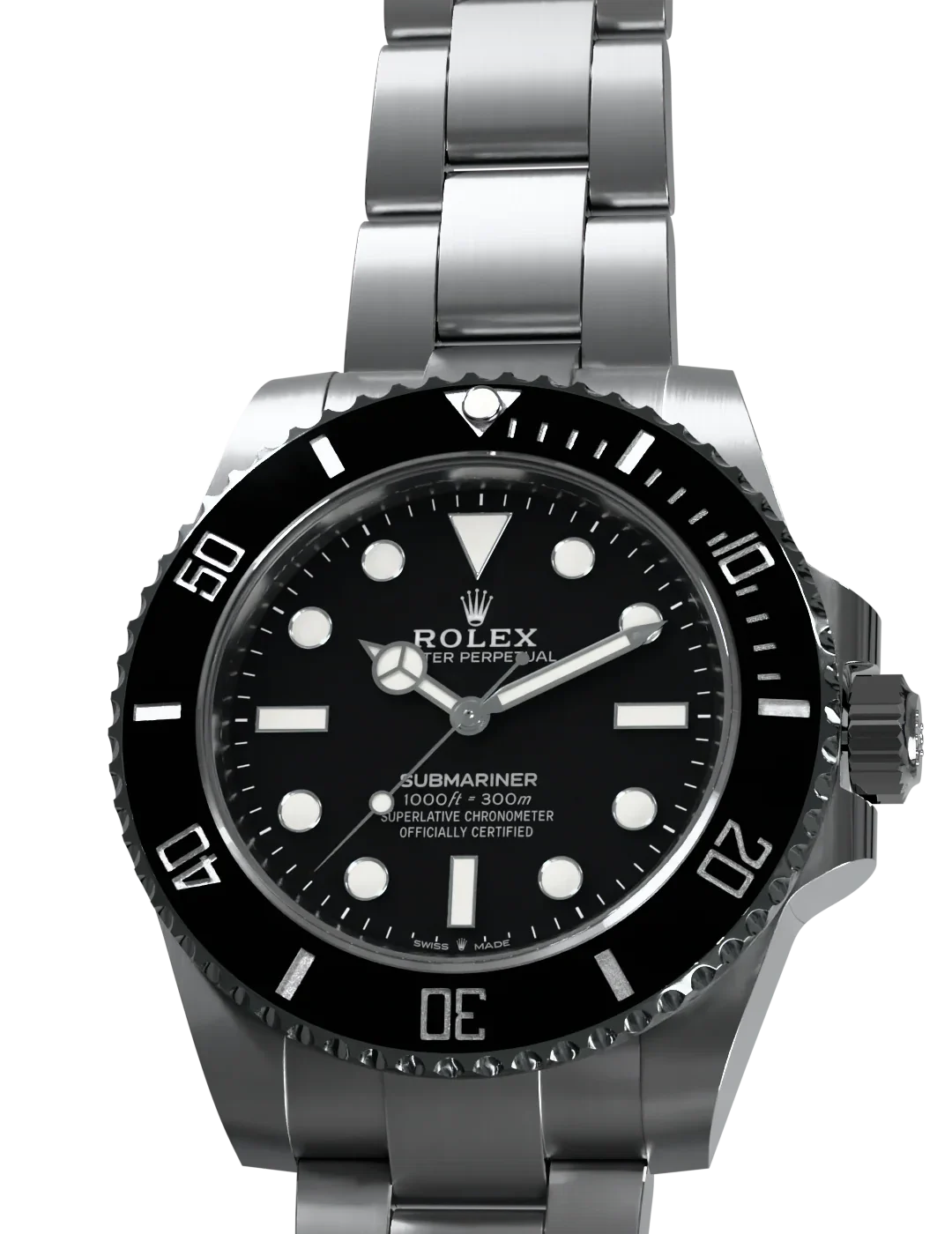
- 300m+ / 30 ATMProfessional dive parameters (e.g., Rolex Submariner, Omega Seamaster).
Always ensure the winding crown is fully screwed down tightly against the case before any contact with moisture.
Combating hidden magnetic fields
In modern environments, magnetic fields are everywhere—speakers, laptops, tablet covers, and airport security scanners. If your mechanical watch suddenly begins running excessively fast (gaining minutes per day instead of seconds), the hairspring inside the balance assembly has likely become magnetized. While harmless long-term, it requires a quick diagnostic pass over a degaussing tool to restore standard timing.
Cleanliness & luxury watch storage advice.
Periodic external cleansing
Over time, microscopic dust, oils, and perspiration accumulate between bracelet links and around case seals. If your watch has a confirmed water resistance rating of at least 100 meters, wash it gently using lukewarm water, a drop of mild soap, and an ultra-soft microfiber brush. Rinse completely with clean water and dry with a soft lint-free cloth. For vintage models or leather straps, stick exclusively to a dry microfiber wipe down.
Optimal luxury watch storage ideas
When a timepiece is resting in your collection, safe environment management prevents ambient degradation:
- Atmospheric stabilityStore your pieces in a climate-controlled space away from direct sunlight, excess moisture, or extreme temperature fluctuations.
- Watch winders vs. static storageFor watches featuring complex perpetual calendars or moonphase indicators, a quality watch winder keeps the lubricants fluid. For standard time-and-date models, letting the movement wind down naturally in a lined watch box is perfectly safe.
- Spatial separationEnsure individual watches do not make direct metal-on-metal contact with other pieces to prevent accidental abrasions on polished bezels or sapphire crystals.
When to seek professional intervention.
Even with meticulous home care, internal oils naturally degrade over time. If your timepiece begins experiencing erratic power reserve tracking, physical resistance when manual winding, or notable timing drift, it is time for professional calibration.
Explore our specialized Service & Repairs Portal to review our comprehensive diagnostic procedures, manufacturer-grade component restorations, and pressure-testing solutions.

Book an appointment.
Book an appointment with one of our specialists at our Hatton Garden showroom and enjoy dedicated, one-to-one service. Whether you’re looking to buy, sell, or discuss a valuation, we’ll set aside time to understand what you need, answer any questions, and guide you through the process in a calm, discreet setting.
Luxury watch maintenance, day to day
Good luxury watch maintenance is mostly a set of small habits. The guide above covers the technical rules; this section adds the everyday routine that keeps a mechanical watch accurate, sealed and looking right between services, and explains when to hand it to a watchmaker. Servicing and repairs are carried out by our sister workshop, Alpha Group, in the same building as our showroom at 9 St. Cross Street, Hatton Garden.
None of this needs special tools. A soft cloth, a little care when you take the watch off, and a sense of what is normal for your watch will catch most problems early. When something does change, get in touch: Alpha Group can diagnose the issue and recommend the most suitable solution before any work begins, so routine maintenance never turns into guesswork.
Read moreShow less
Everyday maintenance habits
Most wear happens in ordinary life rather than in extreme conditions. These maintenance habits cost nothing and add up over the years:
- Take it off for impact sports and DIY. Golf, tennis, padel and hammering send sharp shocks through the movement. A good watch is built to cope with knocks, but repeated jolts are best avoided.
- Put it on last. Perfume, aftershave, hand cream and sunscreen can mark straps and attack gaskets, so let them dry before you put your watch on.
- Wipe it when you take it off. A dry microfibre cloth removes sweat and skin oils before they build up between the links.
- Take it off over something soft. Most drops happen while a watch is being put on or taken off, so do it over a bed, towel or rug rather than a tiled floor or basin.
- Watch the desk. Clasps pick up most of their scratches from desks and laptop edges. Some owners take the watch off for long sessions at a keyboard.
- Treat leather straps as consumables. Water and sweat shorten a strap's life. Let a damp strap dry naturally, away from radiators, and rotate straps if you wear the watch daily.
Magnetism: everyday sources and what to do
The guide above explains how a magnetised hairspring makes a watch run fast. The useful part is knowing where the fields come from, because most cases are caused by objects people don't think of as magnetic:
- Phone cases, wallets and handbags with magnetic closures
- Tablet covers and laptop lids that use magnets to stay shut
- Wireless chargers and magnetic phone mounts in cars
- Speakers, headphones and their charging cases
- Induction hobs and some kitchen appliances
Keep your watch a hand's width away from these where you can, and don't leave it on a laptop or beside a speaker overnight. If the watch suddenly gains several minutes a day, think about what it has been near. Demagnetising is a quick job for a watchmaker and usually restores normal timing, so it is worth trying before assuming a full service is due.
Many modern movements resist magnetism far better than older ones. Rolex, for example, uses its blue Parachrom hairspring, made from a paramagnetic alloy, in many current calibres. No mechanical watch is immune to a strong enough field, though, so the habits above still apply as part of normal maintenance.
Water: maintenance beyond the depth rating
A depth rating tells you what a watch could withstand when it left the factory, not what its seals can handle today. The ratings are explained above; these points cover the habits that keep water out over time:
- Rinse after salt water and pools. Salt and chlorine dry out gaskets and leave deposits around the bezel and crown, so rinse the watch in fresh water afterwards.
- Avoid heat and steam. Saunas, steam rooms, hot tubs and very hot showers make metal and rubber expand at different rates, which stresses the seals.
- Leave the controls alone in water. Unless the manufacturer says otherwise, don't operate the crown or chronograph pushers while the watch is wet.
- Treat vintage watches as not water resistant. Unless an older watch has been pressure tested recently, keep it dry.
- Act on condensation straight away. Fogging under the crystal means moisture is inside. Stop wearing the watch and have it checked quickly.
Seals age even when a watch is rarely worn, so a pressure test before a beach holiday is sensible maintenance for any watch you plan to swim in. Replacing a tired gasket is a far simpler job than dealing with water damage to a movement.
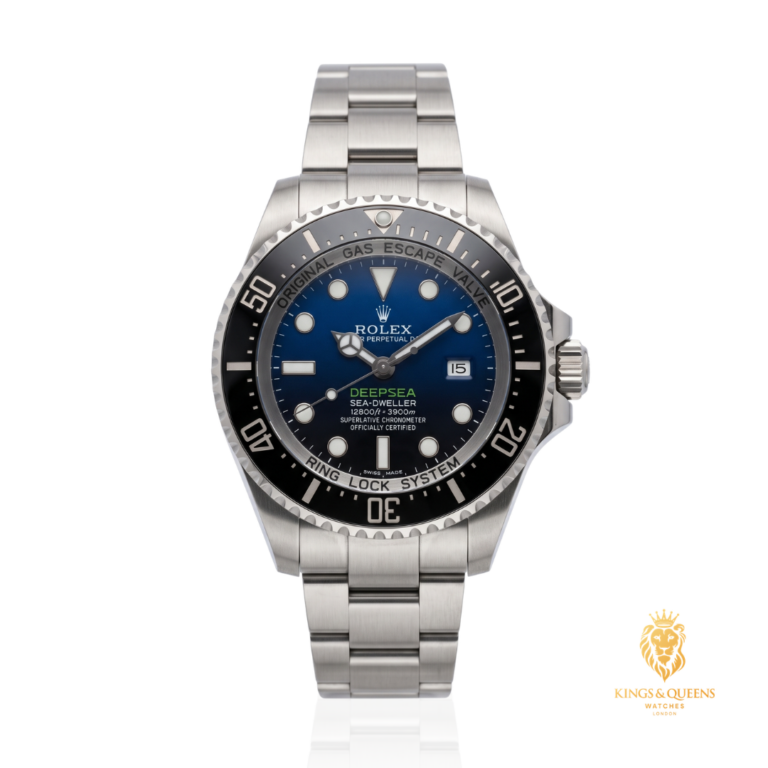
Maintenance on the move: storage and travel
The storage advice above deals with watches at home. Travel brings its own risks, and most of them are easy to avoid:
- Use a padded travel case or watch roll so watches don't knock against each other or against keys and chargers in your bag.
- Keep valuable watches in your hand luggage rather than in checked bags.
- Use the hotel safe for any watch you are not wearing.
- Note the reference and serial number before you travel, and keep a photo of the warranty card, in case you need them for insurance.
At home, keep the box, papers, spare links and any service paperwork together somewhere safe and dry. They are easy to lose and hard to replace, and a complete set of box, papers and spare links is valued higher when you come to sell. Looking after the paperwork is as much a part of maintenance as looking after the watch.
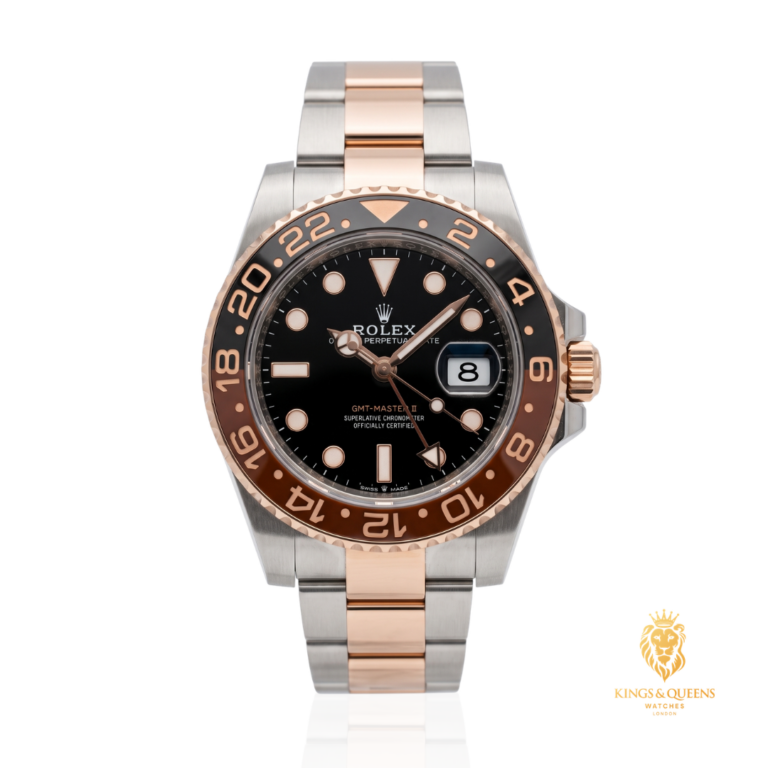
Winding and setting without wear
Winding is covered above. Setting the time and date is where most avoidable crown and stem damage happens, so a few maintenance rules are worth following every time:
- Unscrew a screw-down crown gently until it springs free. Never force it.
- Pull it out to the setting position without tugging sideways, which can bend the stem.
- Where possible, set the time by moving the hands forwards rather than backwards.
- Change the date only when the hands are well clear of the night-time window described above.
- Push the crown back in, then press gently while turning it clockwise to catch the thread, and stop as soon as it feels snug. Over-tightening wears the tube and gasket.
An automatic watch worn every day generally keeps itself wound. If it has stopped, give the crown a number of turns before you put it on rather than relying on wrist movement alone to restart it. With a manual-wind watch, winding at about the same time each day keeps the power reserve and timekeeping consistent.
Simple maintenance checks at home
A five-minute maintenance check every month or so helps you spot a change early. Get to know what is normal for your watch, so you notice when something shifts:
- Timekeeping. Compare the watch with your phone at the same time each day for a week. A steady rate matters more than a perfect one.
- Power reserve. If a fully wound watch stops sooner than it used to, the movement may need attention.
- Crown and bezel. Winding should feel smooth, and a rotating bezel should turn with clean, even clicks.
- Bracelet and clasp. Look for extra play between links and make sure the clasp closes firmly.
- Crystal. Check for chips at the edge of the glass and any fogging underneath.
When maintenance becomes a service
Home maintenance keeps a watch in good order, but it cannot replace the oils inside the movement or renew worn seals. For that, follow the manufacturer's recommended service interval. Rolex recommends a service approximately every 10 years for its modern watches, while Audemars Piguet, Patek Philippe and Cartier each publish their own guidance for their watches.
Bring the watch in sooner if your checks show a change in timekeeping or power reserve, if the crown feels rough, or after a heavy knock or any sign of moisture. Alpha Group can diagnose the issue and recommend the most suitable solution before work begins. Our service and repairs page explains what a full service involves.
Maintenance and the value of your watch
Careful maintenance protects more than timekeeping. When a watch is valued, its condition matters, and so do its box, papers and spare links. A watch that has been worn with care, kept dry and serviced sensibly is simply more appealing to the next owner than one that has been neglected.
Polishing is the one area where more is not better. Each polish removes metal and softens edges, so many owners leave light marks alone. If you are thinking of selling, a free, no-obligation valuation can help you decide whether a service or repair is worthwhile before going to market, and you can get a quick initial figure by sending photos on WhatsApp. See how selling works for the next steps.
Maintenance FAQs
Do I need to keep my automatic watch running all the time?
No. Letting a time-and-date watch run down and stop is perfectly safe. When you want to wear it again, wind it with the crown, then set the time and date. Oils age whether or not the watch runs, so the service interval still applies.
Can I wear my watch in the shower?
It is best not to, even if the watch is water resistant. Hot water and steam stress the seals, and soap and shampoo can leave residue around the bezel and bracelet.
What should I do if there is condensation under the crystal?
Stop wearing the watch, leave the crown pushed in and have it checked as soon as you can. Moisture inside the case can damage the dial and movement if it is left.
How often should water resistance be tested?
There is no fixed rule. A pressure test is sensible before a holiday where you plan to swim, after a hard knock, and whenever the caseback has been opened. Seals are also renewed and tested as part of a full service.
Should I service my watch before selling it?
Not necessarily. Get a valuation first. We can explain the factors that affect price and help you decide whether a service or repair is worthwhile before going to market.
Does regular maintenance affect what my watch is worth?
Condition is one of the factors in any valuation, so a well-kept watch with its box, papers and spare links is in a stronger position than a neglected one. Careful maintenance protects that condition; heavy polishing can work against it.