
Why a probate valuation is not an insurance figure
Sorting out a luxury watch after a death is rarely simple. A watch valuation for probate needs to reflect a realistic sale price on the open market at the relevant time.
That sounds obvious. It still catches people out.
The figure on an old insurance schedule can be higher than the likely sale price. A dealer’s retail asking price can be higher again. Probate work sits in its own lane.
This probate watch assessment is about evidence. It’s not about sentiment or a best case result.
The HMRC basis of value in 2026
For UK inheritance tax reporting, HMRC focuses on open market value. Their Inheritance Tax Manual explains the principle in plain terms under Valuation: introduction.
Executors still need to start somewhere. The Government’s guidance on estimating an estate’s value sets the tone. You identify assets and debts. You record what you think each item was worth at the date of death.
Watches matter because the market moves quickly in 2026. Two examples can look identical in a photo. Their values can still be miles apart.
There’s also a practical point. If HMRC queries the numbers, you need to show how you arrived at them.
Getting a watch valuation for probate in 2026
For a single Rolex or a small collection, the cleanest route is usually a written valuation from a recognised specialist. That might be a dealer who actively trades in that brand. It might be an auction specialist.
RICS is not a watch body. Their guidance is still useful on valuation discipline and reporting. The Red Book UK national supplement is a good reference point for the idea of a statutory basis of value.
Many estates include modern luxury sports watches. Kings & Queens Watches focuses on pre-owned Rolex, Audemars Piguet and Patek Philippe. Those brands tend to have the biggest gaps between a casual guess and a defendable number.
What the report should actually say
A proper valuation note should be specific. It should state the date of death being valued. It should state the assumed sales route.
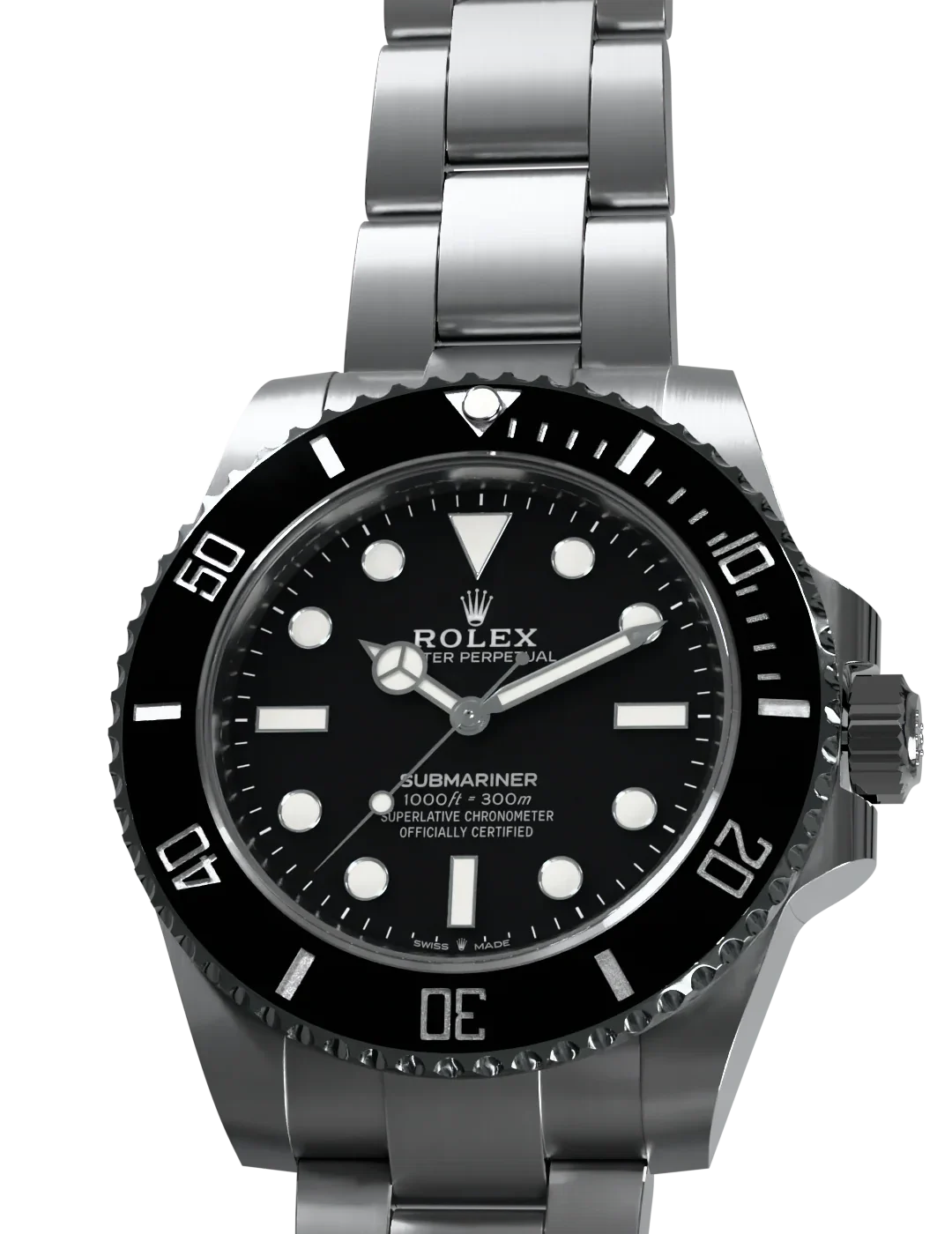
It should also describe the watch clearly. “Rolex Submariner” is not enough.
When people talk about the UK watch valuation process, this is the part that’s often missing. The paperwork needs to stand up on its own. It should still make sense six months later.
What to gather before you ask for a figure
You don’t need to polish anything. You do need to get the basics together.
- Clear photos of the dial, case, bracelet and clasp
- Any box, papers and warranty card
- Service receipts and any replaced parts paperwork
- A note of what’s missing, including links and spare straps
You may hear the phrase watch appraisal for probate. Treat it as shorthand. The best results come from evidence. They don’t come from a quick glance and a hunch.
What actually drives a luxury watch’s value
Probate valuations rise or fall on details. The brand name is only the start.
Audemars Piguet Royal Oak references can vary by dial, metal and bracelet type. Patek Philippe values can hinge on a single line on an extract or a single swapped part. Rolex values are often sensitive to condition, originality and completeness.
Reference numbers, variants and the “same watch” problem
Collectors use reference numbers for a reason. A GMT Master II with a different bezel insert is not a footnote. It can be a different market.
Dial variants matter too. Fonts, lume colour and handset style can move the figure. That’s why a valuer will usually want close photos in good light.
Condition is more than scratches
Heavy polishing can round the case and soften the lugs. That tends to hurt value on sought after steel sports models. A watch can look shiny. It can still be a weaker example.
Bracelet stretch is another common issue. It can be obvious once the watch is in hand. It’s easy to miss in family photos.
Original parts and service history
A recent service can be a positive. It can also raise questions if parts were changed.
Some service replacements are harmless. Others can remove the very feature that makes a piece desirable. A valuer should note visible signs of replacements.
Common traps that inflate or deflate the number
Probate work attracts confident guesses. They tend to be wrong in predictable ways.
Families often focus on watch worth for inheritance in the emotional sense. HMRC cares about a market value. Those are not the same thing.
Insurance valuations and retail prices
An insurance replacement figure can include a lot of margin. It can also assume a brand new equivalent. That’s not the same as a pre-owned sale price for an older piece.
A retail asking price can be misleading too. Asking is not getting.
“It’s gold so it must be worth more”
Gold matters. Desirability matters more.
Some steel watches trade more strongly than a precious metal model from the same brand. The secondary market in 2026 is not polite. It rewards what buyers actually want.
Aftermarket parts and custom work
Custom dials, diamond settings and aftermarket bezels can reduce value. They can also make a watch harder to place with a mainstream buyer.
That doesn’t mean the watch is worthless. It does mean the valuation needs to reflect the smaller pool of buyers.
Missing items that quietly matter
Boxes and papers are not just packaging. They are provenance.
Missing links, a swapped clasp or a non original bracelet can also move the valuation. They are expensive details to fix later.
- Assuming “mint” based on a phone photo
- Ignoring bracelet condition
- Treating an old insurance schedule as proof
- Forgetting to value accessories with the watch
Handling the watch before it’s valued
Executors are often nervous about damage. That’s fair. A few basics reduce risk.
For valuing watches for estate paperwork, aim to preserve what’s there. Avoid trying to improve it.
Do less, document more
Don’t polish the case. Don’t scrub the bracelet with household cleaners. Don’t try to open the caseback.
If it’s running, leave it alone. If it’s not running, don’t shake it into life.
Photographs that help a specialist
Take photos in indirect daylight. Avoid harsh flash.
Get one straight dial shot. Get one shot of each side of the case. Get one clasp shot.
If you have papers, photograph the serial and reference on the paperwork. Store those images securely.
After probate: keeping your valuation defensible
Once the grant is sorted, the watch might be sold. It might be distributed to a beneficiary. It might stay in the family.
Keep the valuation with the estate file. Keep the photos too. Keep notes on condition at the time.
HMRC’s household and personal goods form encourages you to keep supporting evidence. It also invites you to include a professional valuation where you have one. See IHT407 household and personal goods.
A clean paper trail helps even if nobody questions the number. It also stops later arguments within families. That part is underrated.
Frequently Asked Questions
How do I find the right valuer for a luxury watch in the UK?
Look for someone who actively handles the brand and model. Ask for a written valuation that states the date of death basis. Avoid anyone who will only give a number with no description.
Can I use an insurance valuation for probate?
You can use it as a clue. You shouldn’t assume it matches open market value. Insurance figures often aim at replacement cost rather than a realistic sale price.
Do box and papers really affect a probate valuation?
Yes. They support authenticity and provenance. A full set can also widen the pool of buyers if the estate later sells the watch.
What if the watch is not working or has obvious damage?
It can still have significant value. The valuation should reflect condition as it stands at the date of death. Don’t rush into repairs before valuation unless a specialist advises it for evidence reasons.
Should an executor get more than one valuation?
It can be sensible for high value pieces or unusual watches. Two written opinions can help you sanity check the number. It can also help if HMRC asks how the figure was reached.