Timing matters more than hype
Luxury watches can hold value in a way most consumer goods never will. The hard part is deciding what type of watch makes sense for your budget, your taste and the UK market at the moment.
Start with a blunt thought. If you’re chasing a guaranteed return, a watch is the wrong tool. If you want something wearable that can keep its footing, then the conversation gets more interesting.
Kings & Queens Watches focuses on pre-owned Rolex, Audemars Piguet and Patek Philippe. That catalogue shapes the sensible approach. You’re looking at pieces with global demand and strong aftercare options. That matters more than internet noise.
You’ll see the phrase investment watches UK thrown around constantly. Treat it as marketing shorthand. The real question is whether a specific model stays desirable when the mood changes.
So, what type of watch tends to hold up?
Value retention usually follows familiarity. Buyers return to recognisable models. They also return to case shapes and dials that read clearly from across a room.
In practical terms, stainless steel sports models are often the safest starting point. They suit daily wear in Britain. They also tend to attract a deeper pool of buyers than precious metal dress pieces.
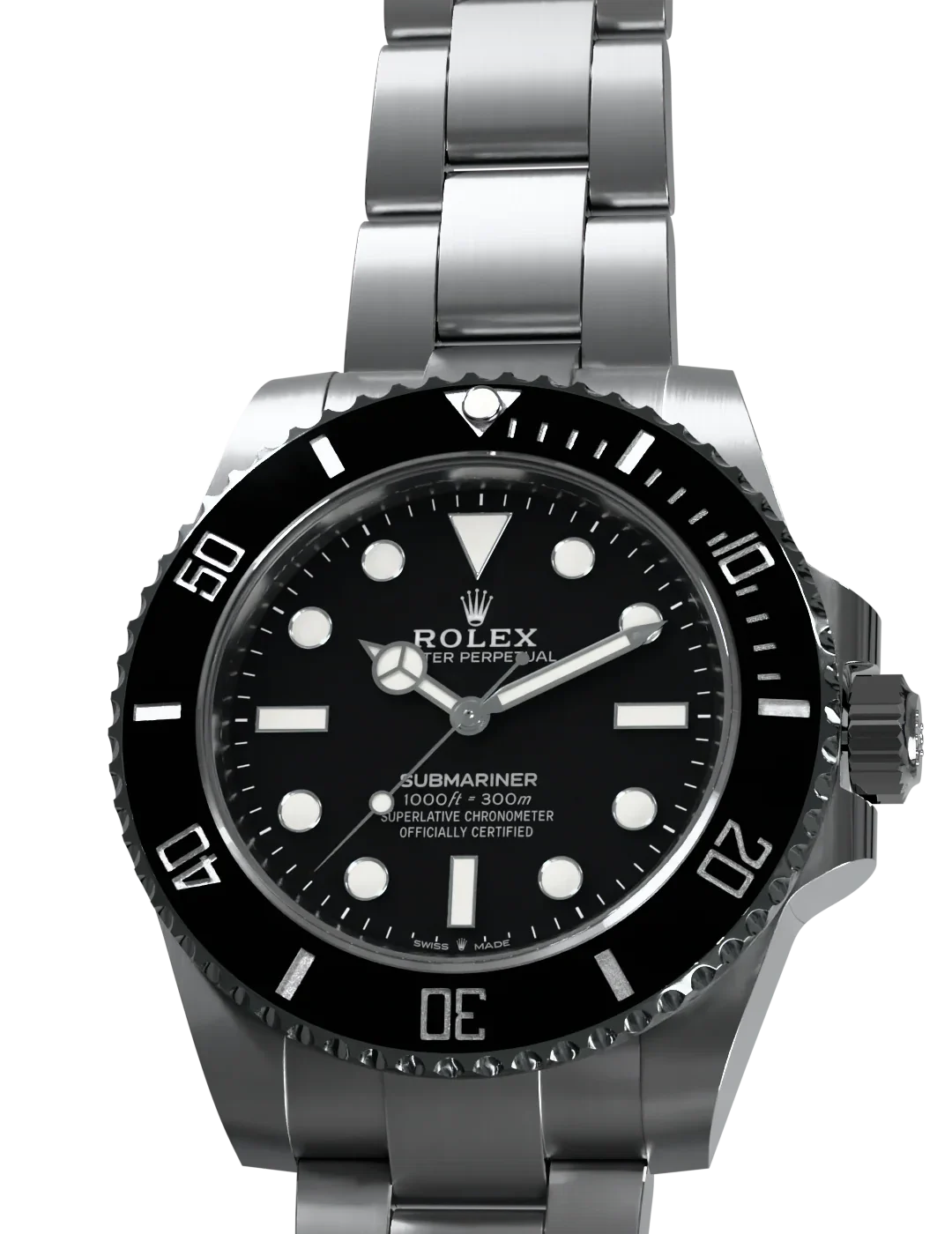
Rolex professional lines sit in that sweet spot. Think Submariner, GMT-Master II and Daytona. Audemars Piguet has the Royal Oak in several sizes and materials. Patek Philippe has icons too. Nautilus and Aquanaut are the obvious names.
Don’t confuse popularity with ease. The best luxury watches to own long term are often the ones you can service properly and wear without nerves. That usually favours established references with straightforward parts support.
Brand matters as much as the model. A small shift in taste can hurt niche makers. The bigger luxury watch brands tend to ride those bumps with less drama.
Pre-owned details that decide the outcome
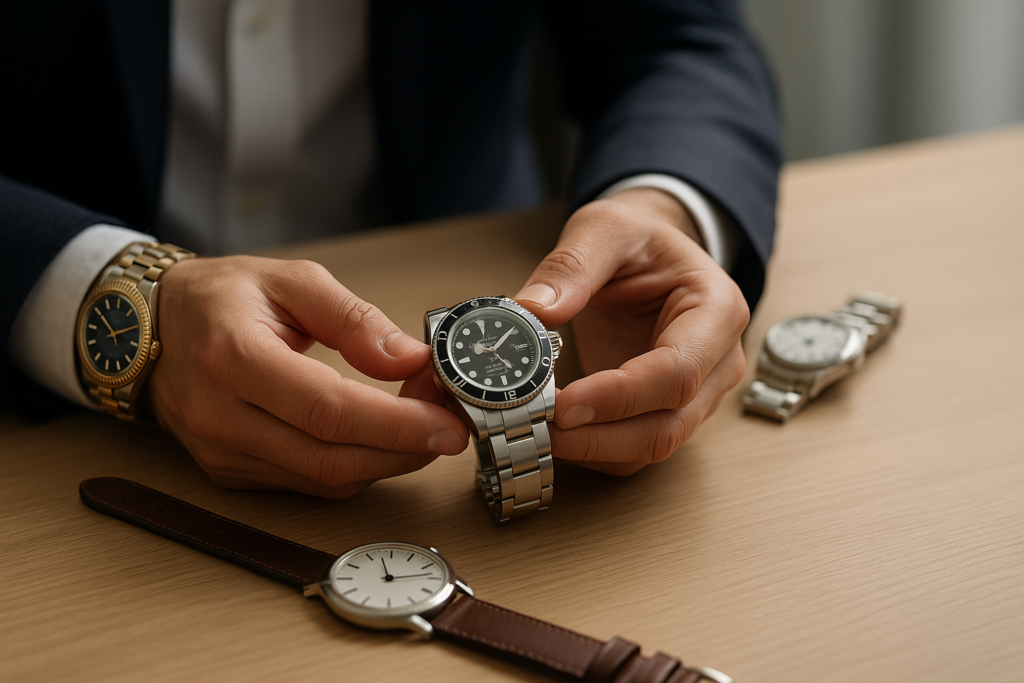
In a pre-owned purchase, condition isn’t a footnote. It’s the whole story. Two examples of the same model can feel like different watches once you look closely.
Over-polishing is a common value killer. Crisp edges and correct brushing patterns matter. A soft case can make an otherwise attractive watch feel tired.
Then there’s originality. A service replacement part isn’t automatically bad. It can still affect desirability if collectors expect the earlier dial or hands.
Paperwork is where the UK buyer can stay disciplined. Aim for a full set where possible. It makes ownership simpler. It can also widen your buyer pool later.
- Sharp case lines with even finishing
- Bracelet with tight links and a clean clasp action
- Original dial and hands where expected for the reference
- Box, papers and warranty card
Ask sensible questions about service history. A recent service can be helpful. A poorly documented repair can be the opposite.

When to buy, if you want the odds on your side
The best moment to buy is usually personal. It’s when you can afford the watch comfortably. It’s also when you can hold it through a dull patch without panicking.
That said, the UK market has rhythms. The early months can bring more listings as people reset after the festive period. Summer can feel quieter. Autumn often tightens supply again as gifting season approaches.
If you’re looking at watches for investment, avoid rushing because a forum says a model is “about to jump”. That’s how people overpay for a watch they don’t even love. A calm buyer gets better decisions.
Another timing point is emotional. Buy when you can wear the watch. A safe queen sounds clever. It can lead to regret if it never leaves the box.
Pre-owned also solves a practical issue. Many sought-after models aren’t easy to secure at authorised dealers. A well priced pre-owned example can be the cleaner route. It also gives you immediate clarity on the exact watch you’re buying.
Ownership costs, protection and the boring bits
A watch that holds value still costs money to own. Servicing, insurance and careful storage aren’t optional if you want to protect condition.
Servicing is about competence, not vibes. Use an authorised route when it makes sense for the brand and model. If you go independent, use a specialist with the right tools and parts access. The British Horological Institute is a sensible starting point if you’re looking for reputable horological expertise in the UK.
Insurance is similar. Read the exclusions. Pay attention to wear outside the home and travel cover. For general guidance on protecting valuables, MoneyHelper is a solid UK resource.
One more reality check. High-end timepieces are small and valuable. That makes them easy to mishandle. A single drop can turn a tidy watch into an expensive project.

Plan the exit before you fall in love
Liquidity matters. Some pieces sell quickly because there are always buyers. Others take time because the audience is narrower.
Think ahead about how you might sell later. A clean paper trail helps. A watch in original condition helps even more.
This is where discipline pays off. Keep the box, papers and any service documents together. Photograph the watch clearly when you buy it. Store those images somewhere safe.
If you picked what type of watch with a broad buyer base, selling is usually less stressful. The watch still needs to be priced sensibly. Condition still rules everything.
Stick to known references if your priority is value retention. Rolex, Audemars Piguet and Patek Philippe each have models with durable demand. For model context, it’s worth reading directly from the manufacturers. See Rolex, Audemars Piguet and Patek Philippe.
A final caution. Anyone promising certainty is selling a story. Buy the watch because you want to wear it. Let value retention be the bonus.

Frequently Asked Questions
Is a luxury watch a good investment in the UK?
A luxury watch can hold value well compared with most accessories. It’s not a guaranteed investment. Condition, completeness and model choice decide most outcomes.
Should I buy new or pre-owned for value retention?
Pre-owned can give clearer pricing and immediate availability. It also lets you judge the exact watch in front of you. New can be attractive if you secure the right model at retail, though that’s not always straightforward.
Which models are easiest to sell later?
Recognisable steel sports models tend to have the broadest demand. Rolex professional lines, Audemars Piguet Royal Oak and Patek Philippe sports icons are common examples. The specific reference and condition still matter.
What paperwork should come with a pre-owned luxury watch?
Ideally you want the box, papers and warranty card. Service documents are also useful if available. Missing items don’t always make a watch wrong, though they can narrow your future buyer pool.
How do I protect a luxury watch once I own it?
Insure it appropriately and store it carefully. Avoid unnecessary knocks and water exposure if you’re unsure of recent testing. Keep servicing on schedule with a competent specialist.