In short
- A watch can be a good store of value, but it is not a guaranteed investment.
- Brand, model, condition, originality, box and papers, and demand decide how well it holds its value.
- Prices move in both directions.
- Servicing, insurance and the difference between buying and selling prices are real costs.
- Buy the watch you want to wear.
Some luxury watches hold their value well, and some have sold for more than they cost. Many do not. The honest answer is that a watch can be a good store of value, but it is not a guaranteed investment, and prices can fall as well as rise.
When people ask us about watch investment, what they usually want to know is how to avoid losing money on a watch they love. This guide explains the factors people consider, the risks, and why costs and liquidity matter. It is general, educational information. It is not financial advice, and we do not recommend any watch as an investment.
What people mean by watch investment
The phrase covers very different ideas. For some people, watch investment simply means buying a well-made watch that should keep a good part of its value while they wear it. For others, it means buying watches mainly in the hope of selling them later for more. These are not the same thing, and the second carries far more risk.
A third group are collectors, who buy because they care about particular makers, models or periods, and who accept that some pieces will do better than others. Most people sit somewhere between the first and third groups: they want to enjoy a watch and would like it to hold its value, but they are not relying on it.
Keeping these distinctions in mind helps. Thinking of a watch as something you wear, which may also hold its value, is very different from treating watch investment as a plan for your savings.
What helps a watch hold its value
- 01
Brand and model
Long-established makers such as Rolex, Patek Philippe and Audemars Piguet tend to have the deepest resale market, and some models are in far greater demand than others.
- 02
Condition
A watch that has been looked after and not heavily polished is worth more.
- 03
Originality
Original dial, hands, bezel and bracelet. Aftermarket changes usually reduce value.
- 04
Box and papers
A full set generally sells for more.
- 05
Supply and demand
Popular models in limited supply hold their value best, and demand changes over time.
These five factors come up in almost every conversation about watch investment, and none of them works on its own. A sought-after model in poor, polished condition, or a perfect example of a reference few people want, will not hold its value as well as the combination of all five.
Other factors people weigh up in watch investment
- Production status. Whether a reference is still made, or has been discontinued, changes how buyers see it. Discontinued does not automatically mean more valuable; it depends on whether people still want it.
- Service history. A documented history, ideally with service paperwork, reassures the next buyer.
- Size and wearability. Buyers' tastes in case size, metal and dial colour shift over time, and nobody can say reliably how.
- Limited editions. A small production run is not a guarantee of demand. Some limited pieces are sought after, many are not.
- Provenance. Where the watch has been, who sold it and whether its story can be documented all matter, especially for older pieces.
If you are researching a particular maker, its own website, such as Audemars Piguet or Patek Philippe, is a good place to understand the current collection before you look at the pre-owned market.
Prices move in both directions
The market has cycles
Prices for many sought-after models rose sharply on the secondary market in 2021 and early 2022, then fell back. Recent prices are not a forecast.
That period is a useful reminder that the secondary market can move quickly. Anyone who bought at a peak and needed to sell soon afterwards learned how different watch investment is from a savings account. We do not make predictions about where prices will go, and you should be wary of anyone who does.
The risks of watch investment
Every form of watch investment carries risks that are easy to overlook when prices have been rising. These are the main ones:
- Prices can fall. Demand for a model can cool, and the price a buyer will pay can drop below what you paid.
- It is not regulated. A watch is not a regulated financial product, so the protections that come with regulated investments do not apply.
- No income. A watch does not pay interest or dividends. Any gain depends entirely on selling it for more than it cost you, after all your costs.
- Fakes and fraud. Buying from an unknown seller to save money exposes you to counterfeits, altered watches and payment fraud.
- Loss, theft and damage. A watch can be lost, stolen or damaged, which is why insurance matters.
- Concentration. Putting a large share of your money into one or two watches leaves you exposed to whatever happens to those particular models.
None of this means watch investment is a mistake in itself. It means the risks should be understood, and that a watch is best bought with money you would be comfortable spending on something you enjoy.
Common watch investment myths
A few beliefs come up again and again in conversations about watch investment. Each contains a grain of truth, which is why they are worth examining.
- "Certain brands only go up." No brand or model is guaranteed to rise. Even the most sought-after references have had periods when prices fell.
- "Hard to buy new means a guaranteed profit." Demand at retail and prices on the secondary market are related, but one does not guarantee the other.
- "Newer releases are the safest bet." A new model has no resale history at all, so its future demand is unknown.
- "Any watch investment beats leaving money in the bank." A watch pays no interest, costs money to keep and can fall in value. It is a different kind of purchase altogether.
Where you buy matters
The quickest way to lose money on a watch is to buy one that is not what it seems. A lower price from an unknown seller can turn out to be a counterfeit, a watch with replaced parts or a stolen piece. Whatever your view on watch investment, buy from a seller who authenticates every watch and puts the terms in writing.
At Kings & Queens every watch is inspected and authenticated by experienced watch specialists before it is offered for sale. Pre-owned watches carry our 12-month mechanical warranty from delivery unless the listing says otherwise, and you have 14 days to return a watch for a full refund.
The costs of owning a watch
- Servicing. We recommend servicing a mechanical watch every three to five years. See Service & Repairs.
- Insurance. A valuable watch should be insured, and insurers usually want a written valuation. We provide insurance valuations.
- Buying and selling. There is usually a difference between the price a dealer sells at and the price they pay, so a watch bought and sold again quickly will rarely make money.
Other costs are easier to forget. Some owners pay for a home safe or a safety deposit box. Bracelets and clasps wear and may need attention. Selling privately can involve platform fees, insured shipping and a good deal of time. Any honest view of watch investment has to set all of these against whatever the watch might be worth later.
Why liquidity matters in watch investment
Liquidity means how quickly you can turn something into money at a fair price. It is one of the most overlooked parts of watch investment. A watch has no single quoted price; it is worth what a buyer will pay on the day you sell, and finding that buyer can take time.
Some references are easy to sell because many people want them. Others, including complicated or unusual pieces, can take longer to find the right buyer. Selling in a hurry, for example because you need the money, usually means accepting a lower price than you would with time on your side.
This is where the gap between dealer buying and selling prices comes in. When you sell to a dealer, you get a quick, certain sale, and the dealer takes on the cost and risk of reselling. When you sell privately, you may hope for more, but you take on the time, the risk and the costs yourself. Both are reasonable choices, as long as you go in with your eyes open.
We buy watches directly for our own stock, rather than as a broker or on consignment. After a price is agreed and the watch has been checked in person, we pay by secure bank transfer and deduct no fees or commission. See how selling works.
Buy the watch you want to wear
The most reliable return from a luxury watch is the enjoyment of wearing it. If it also holds its value, that is a bonus. If you want to change later, you can sell it or part exchange it towards another watch.
Wearing a watch does add some wear, but a watch kept in a drawer purely to protect its value gives you nothing in the meantime. Many owners find the best balance is to wear the watch with reasonable care, service it when it needs it and keep the box and papers safe. For most people, that is a healthier approach to watch investment than buying purely to sell.
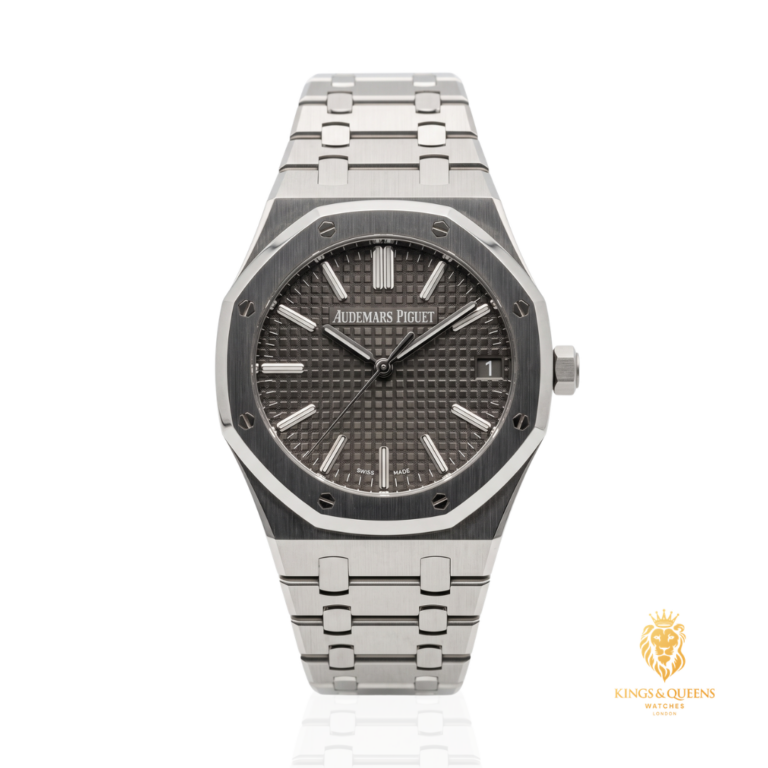
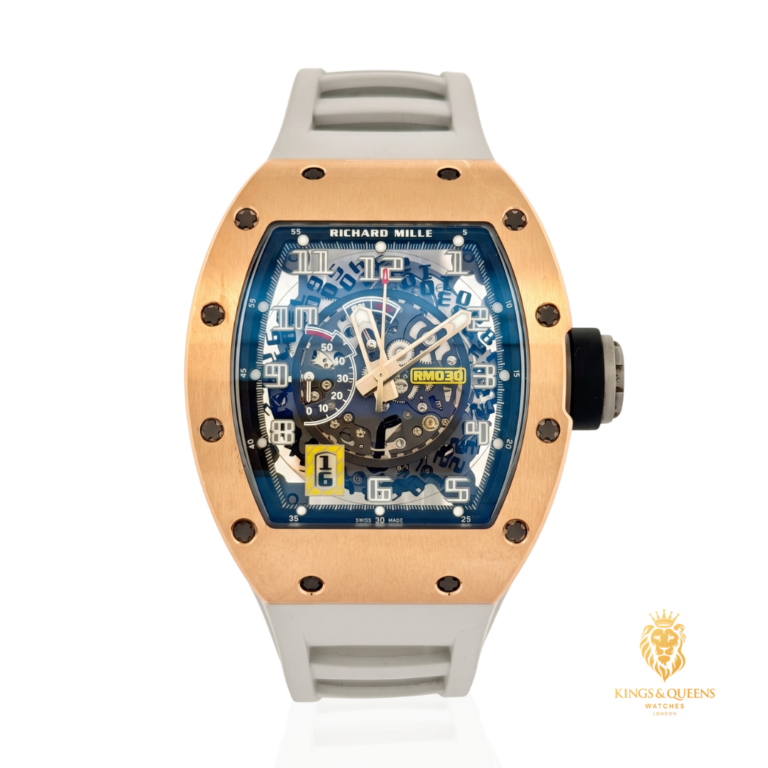
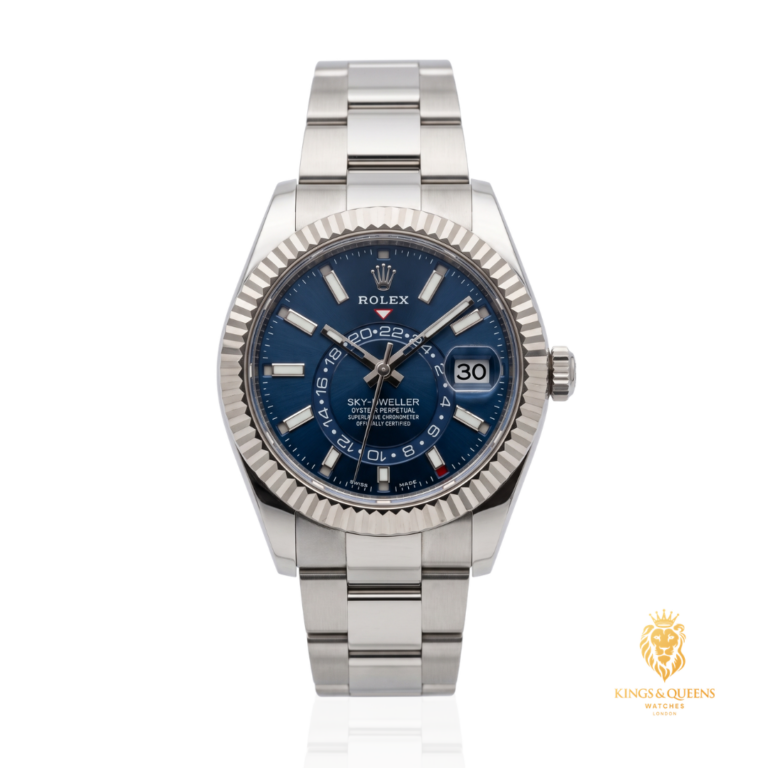
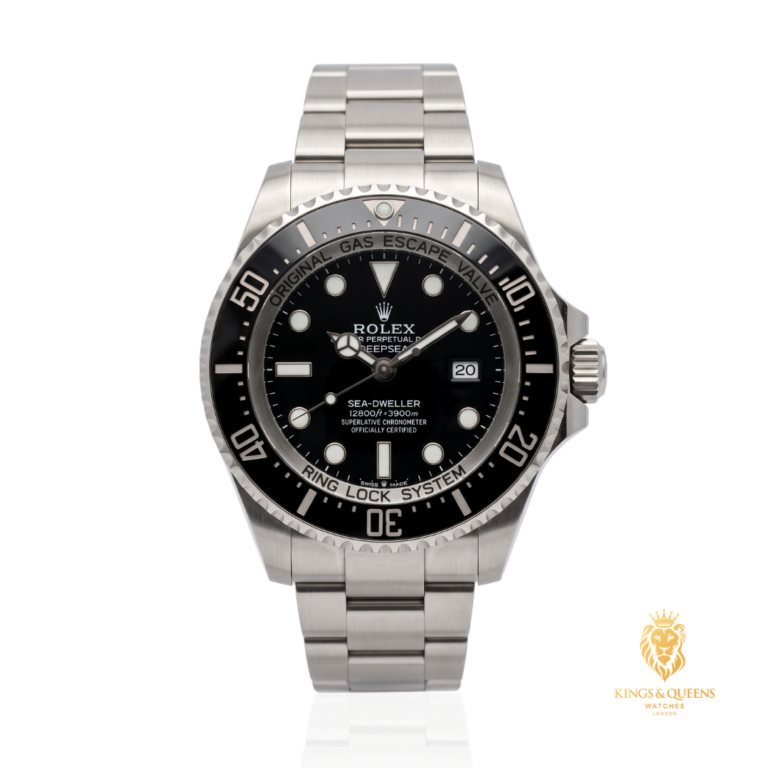
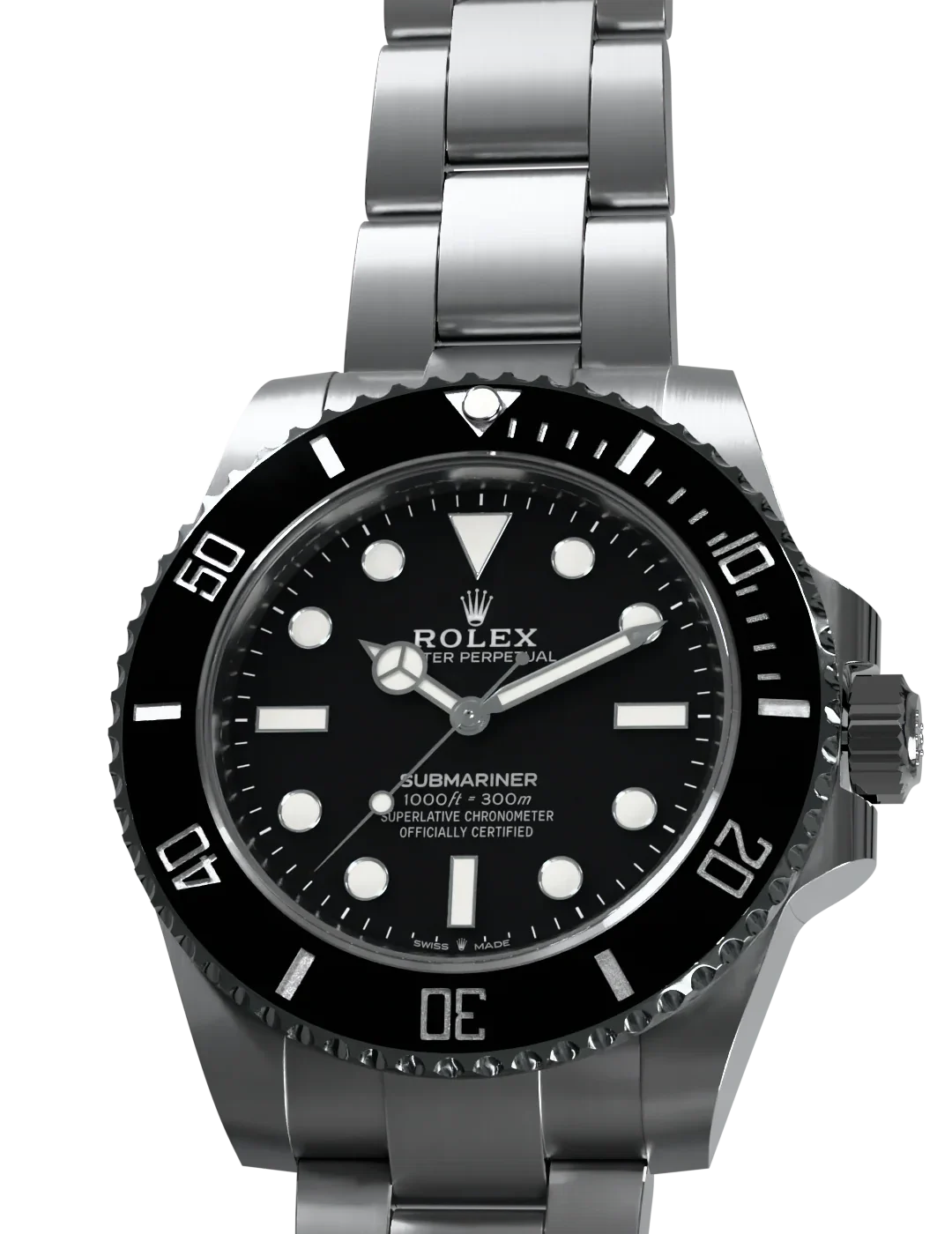
These are watches from our current listings. They are shown to illustrate the factors above, not recommended as a watch investment.
Questions to ask yourself before any watch investment
- Would I still want this watch if it never rose in value?
- Could I live with it being worth less than I paid?
- Will I actually wear it, and how often?
- Have I allowed for servicing, insurance and safe storage?
- If I needed to sell, do I know how and to whom?
- Am I buying from a seller who authenticates the watch, gives a warranty and accepts returns?
If the honest answer to the first two questions is no, it may be worth looking at a different watch, or at a different use for the money. For decisions about your savings or wider finances, speak to a regulated financial adviser.
How we can help
- Valuations, including the written valuations insurers ask for
- Selling outright, paid within 24 hours, or part exchange towards another watch
- A collection of pre-owned and unworn watches, each inspected and authenticated before sale
We can talk you through what affects the value of a particular watch, how condition and completeness play their part, and what to look for when you buy. What we will not do is tell you a watch is a safe watch investment, because no one can honestly promise that.
Frequently asked questions
Is a luxury watch a good investment?
Some watches hold their value well, and some have sold for more than they cost, but many do not. A watch can be a good store of value, yet it is not a guaranteed investment and prices can fall as well as rise.
Which watches hold their value best?
We cannot predict that for any model. In general, watches from long-established makers with a deep resale market, kept in good original condition with their box and papers, are the ones buyers look for. Demand changes over time.
Is a watch investment protected like my savings?
No. A watch is not a regulated financial product, so the protections that apply to regulated savings and investments do not apply to it.
Do limited editions make a better watch investment?
Not necessarily. A small production run does not guarantee demand. What matters is whether buyers want that watch when you come to sell it.
Should I keep a watch unworn to protect its value?
That is a personal choice. Some buyers pay attention to unworn condition, but keeping a watch in a drawer means you never enjoy it. Most owners prefer to wear their watch with reasonable care.
How quickly can I sell a watch if I need to?
Selling to a dealer is usually the quickest route. We buy directly for our own stock, offer free, no-obligation valuations, and pay by secure bank transfer once a price is agreed and the watch has been authenticated in person.
Can you give me watch investment advice?
No. We are watch dealers, not financial advisers, and we do not give investment advice. We are happy to explain what affects the value of a watch, but for decisions about your money, speak to a regulated financial adviser.
This guide is general information, not financial advice. Watch prices can fall as well as rise, and past prices are not a guide to future prices.
Kings & Queens Watches is an independent dealer and is not affiliated with Rolex, Audemars Piguet, Patek Philippe, Richard Mille or any other watch brand.