
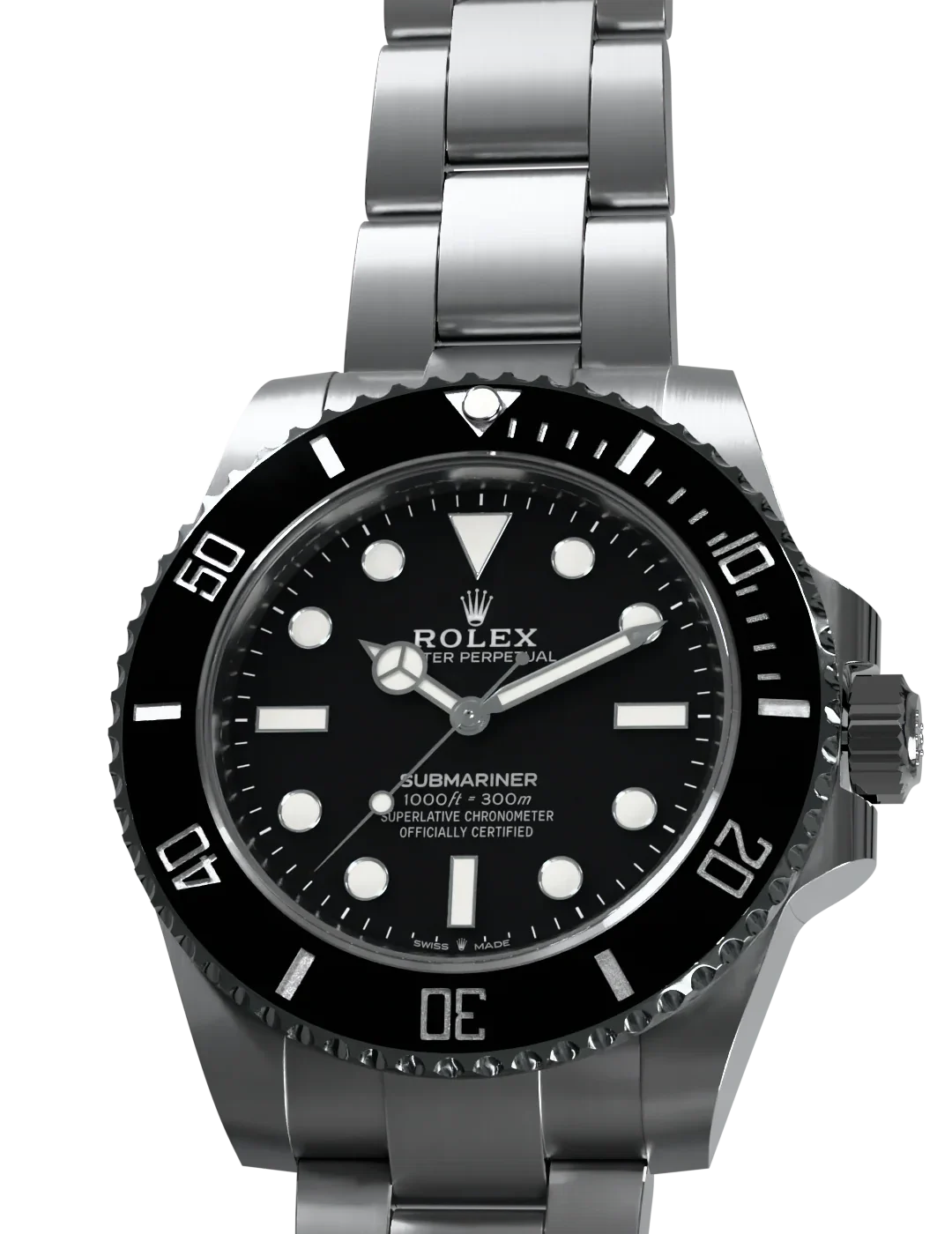
In short
- "Box and papers" means the original box and the papers from the watch's first sale.
- A full set generally sells for more and is easier to sell.
- Papers support a watch's story, but the watch itself still needs authenticating.
- Missing box or papers do not stop a watch being sold or part exchanged.
"Box and papers" means a watch comes with its original presentation box and the papers from its original sale. A watch that has both, along with everything else it was sold with, is often called a full set.
You will see the phrase in almost every listing for a pre-owned luxury watch. This guide explains what box and papers actually include, how to check them, why buyers care, and what to do if yours have gone missing.
What a full set can include
The exact contents depend on the brand and the year, but a full set may include:
- The original box, often an inner and an outer box
- The warranty card or certificate from the original sale
- Instruction booklets
- Hang tags
- Spare bracelet links
- The original receipt
- Service paperwork, if the watch has been serviced
Of these, the warranty card or certificate is the part that matters most. The box and booklets are pleasant to have, but they are not specific to one watch. The papers are, because they carry the watch's own numbers.
The language of box and papers
Dealers and private sellers use a handful of short phrases to describe what comes with a watch. They are not formal terms, so always ask exactly what is included, but this is what they usually mean:
| Phrase | What it usually means |
|---|---|
| Full set | The watch with its box and papers, and usually the booklets, tags and any spare links |
| Box and papers | The original box and the warranty card or certificate |
| Papers only | The warranty card or certificate, but no box |
| Box only | A box, but no papers |
| Watch only | The watch with no box or papers |
If a listing just says "box and papers", ask whether the spare links and the original receipt are also included. On a watch with a bracelet, missing links can matter if the watch needs sizing for a larger wrist.
Why the papers matter
The warranty card or certificate records the watch's reference and serial number and the date it was first sold. That links the watch in front of you to its history, which buyers value. A full set generally sells for more than the watch alone and is easier to sell.
The date on the papers also tells you whether the watch may still be within its manufacturer's warranty. Rolex watches sold new since July 2015, for example, carry a five-year international guarantee, so a recent Rolex with box and papers dated within that period may still be covered.
How box and papers differ by brand
Each maker presents its papers differently, and the format has changed over the years. A few examples help to show what to expect:
- Rolex. Older watches usually came with a paper guarantee certificate, while more recent ones come with a warranty card. Both show the reference, the serial and the date of sale. See the official Rolex website for its current guarantee.
- Patek Philippe. Watches come with a Certificate of Origin. Patek Philippe can also provide an Extract from the Archives for its watches, which can be useful when the original papers are missing. See Patek Philippe.
- Audemars Piguet, Cartier, Richard Mille and Hublot. Each issues its own warranty documentation, and the style varies by brand and by year.
Because formats vary, the key question is always the same: do the numbers on the papers match the numbers on the watch?
Papers are not proof on their own
Authenticate the watch, not just the paperwork
Papers support a watch's story, but the watch itself still needs to be authenticated, and the numbers on the papers should match the numbers on the watch.
At Kings & Queens every watch is inspected and authenticated by experienced watch specialists before it is offered for sale, and each listing states whether the original box, warranty card or documentation is included.
How to check box and papers
- Match the numbers. The reference and serial on the card or certificate should match the watch exactly. Our guide to Rolex reference numbers shows where to find them on a Rolex.
- Check the model. The papers should describe the same model, metal and, where shown, the same dial or bezel as the watch in front of you.
- Look at the date. The date of sale should make sense for the reference. A date before the model was launched is a clear warning.
- Treat the box separately. Boxes are easy to buy on their own, so a box tells you nothing about the watch. Only the papers carry its numbers.
- Have the watch checked. Even matching papers do not prove the watch is genuine or original. An inspection by someone who handles these watches every day does.
How much do box and papers affect value?
There is no fixed amount, and we do not quote one, because it depends on the brand, the model and the age of the watch. As a general rule, buyers of modern watches expect box and papers, so a recent watch without them can take longer to sell. With older watches papers are rarer, and when they do survive, collectors often prize them.
Box and papers also make a watch easier to sell to a wider range of buyers. Some collectors will only consider a full set, while others focus on condition and are happy to buy a watch alone. For a valuation of your own watch, our guide to what a Rolex is worth explains the other factors that count.
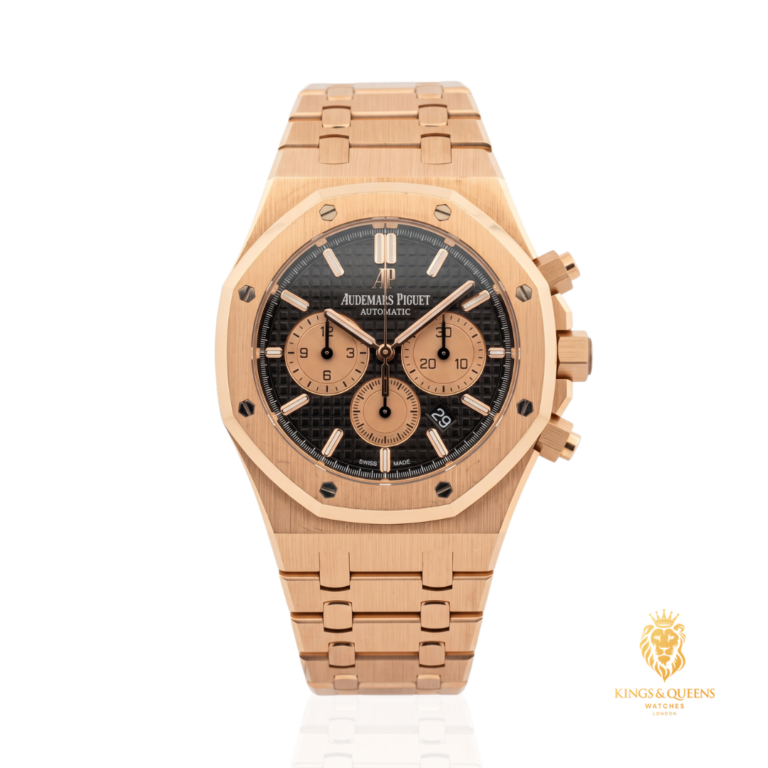
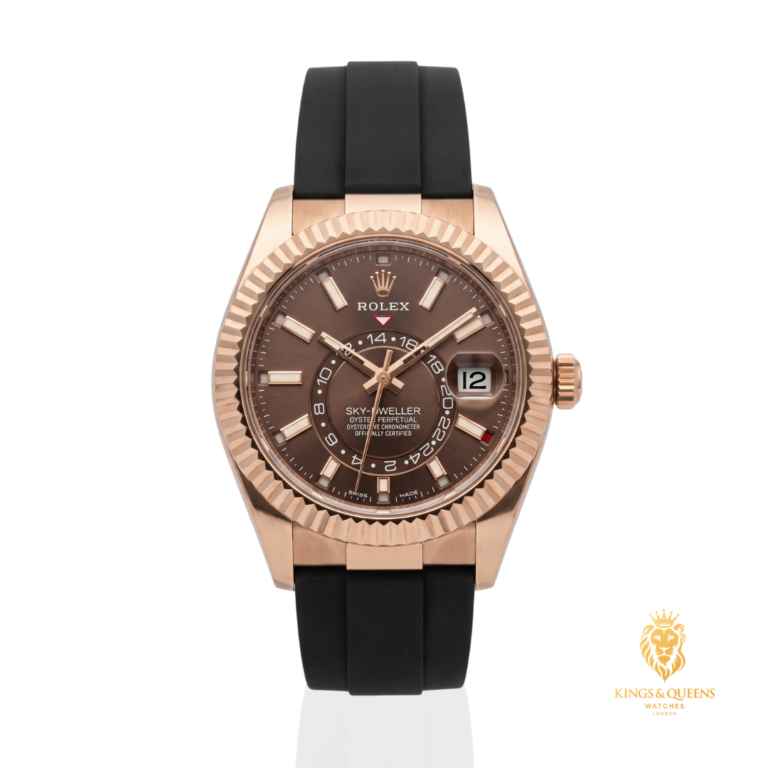
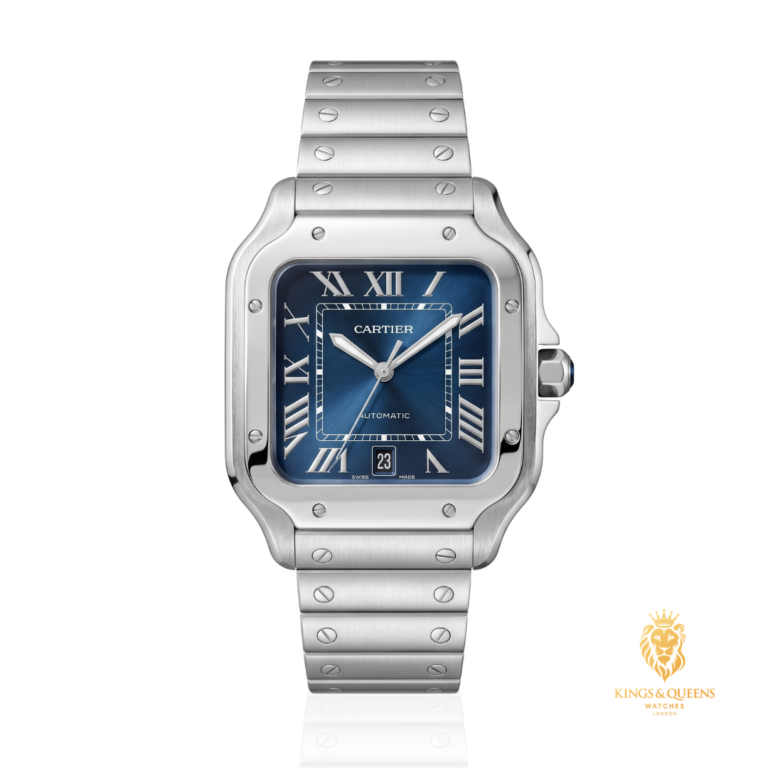
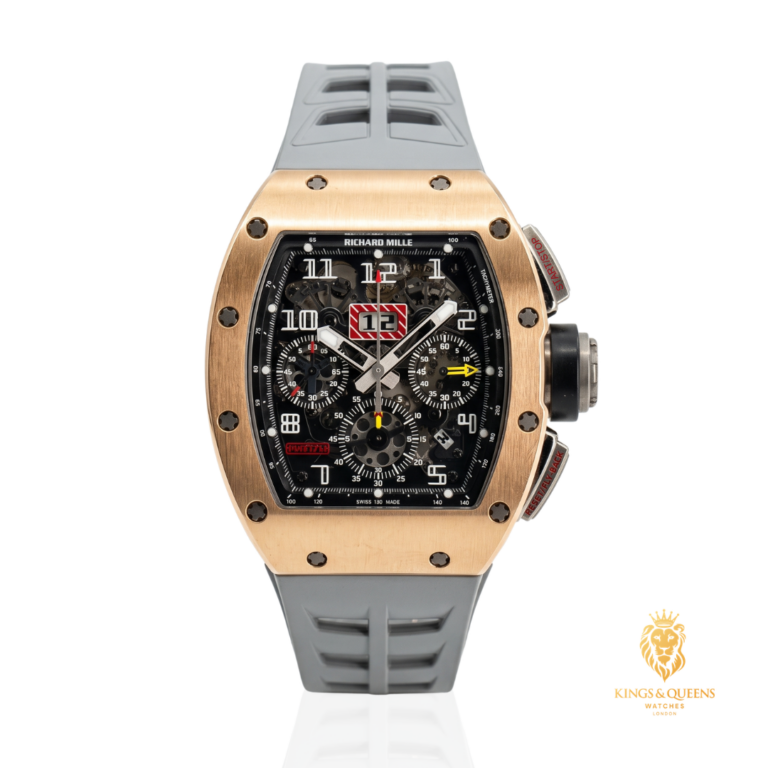
Each of our listings, including the watches above, states whether the box and papers are included.
If your box or papers are missing
Missing box or papers do not stop a watch being sold or part exchanged. It is valued on its own merits, and anything you do have, such as the original receipt or service records, still helps.
Brands generally do not reissue original papers, so be wary of anyone offering to supply "replacement" box and papers for your watch. Papers sold separately from the watch they belong to are a warning sign rather than a solution. Service paperwork from the manufacturer or a reputable watchmaker records the watch's numbers and is useful, but it is not the same as the original papers and should not be presented as if it were.
Box and papers on unworn watches
An unworn watch has been sold once but never worn, and it usually comes as a full set, sometimes with its protective stickers still in place. Check the date on the papers. Because the papers are dated from the first sale, any manufacturer's warranty started on that date, not on the day you buy the watch, so an unworn watch can have less warranty left than you might assume.
The same applies to the spare links, booklets and tags. On an unworn watch buyers reasonably expect everything to be there, so if anything is missing, ask why.
Inherited a watch? Look for the papers
When a watch is passed down, the box and papers are often stored somewhere else entirely: a drawer, a filing cabinet, a safe or a bank box. Before you decide anything about an inherited watch, it is worth a careful search, because the papers may turn up in an envelope with old receipts or insurance documents rather than with the watch.
Look for anything that carries the watch's numbers or the name of the shop where it was bought, including service invoices and insurance schedules. Even if the original box and papers never appear, these documents help piece together the watch's history. If you are dealing with an estate, our article on watch valuation for probate may also help.
Box and papers and your insurance
Insurers often ask for evidence that you own a watch and what it is. The original papers and receipt are the clearest proof, so keep good copies somewhere other than where you keep the watch. If the watch is ever lost or stolen, a scan of the papers showing the reference and serial number is far more useful than a description from memory.
It also makes sense to keep a few clear photographs of the watch itself alongside the copies of the box and papers. Together they give an insurer, or the police, an exact record of the watch you owned.
Buying a watch with box and papers from us
Every listing on our site states whether the watch comes with its box and papers, so you know exactly what you are buying before you pay. Whatever comes with it, every watch is inspected and authenticated before sale, and its serial number, bracelet number, movement identifiers and case markings are recorded.
A watch without papers is not a lesser purchase from us. Pre-owned watches come with our 12-month mechanical warranty from delivery unless the listing says otherwise, and you have 14 days to return a watch for a full refund. Our guide to buying a pre-owned Rolex covers the other checks worth making.
Selling or part exchanging?
Bring the watch with its original warranty papers, certificates, box and any spare links. They help you get the best valuation. For a part exchange we also need a valid government-issued photo ID.
If you cannot visit, you can send photographs of the watch and its box and papers on WhatsApp for a quick initial valuation, and we can arrange for the watch to be sent fully insured. When the price is agreed and we have authenticated the watch in person, you are paid by secure bank transfer, without hidden fees or commission. See how selling works.
Looking after them
Keep the box and papers somewhere safe and separate from the watch, and keep photographs or scans of the papers in case the originals are lost.
Store the papers flat, away from damp and direct sunlight, and keep the spare links in a labelled bag inside the box so they do not get separated. If you travel with the watch, leave the box and papers at home. When the watch is serviced, file the service paperwork with the original papers so the full history stays together.
Frequently asked questions
Is a watch without box and papers worth buying?
It can be. What matters most is that the watch is authentic, original and in the condition described. A watch without box and papers usually costs less than the same watch as a full set, which some buyers prefer if they plan to wear it rather than collect it.
Which matters more, the box or the papers?
The papers. They carry the watch's reference, serial and date of sale. A box is pleasant to have but is not specific to one watch, and boxes are easy to buy separately.
Can I get replacement box and papers?
Original papers are generally not reissued. A replacement box can be bought, but it is not original to the watch and adds little. Service papers and, for some brands such as Patek Philippe, an archive extract can help document a watch, but they are not the original papers.
Do service papers count as papers?
They are useful and worth keeping, because they record the watch's numbers and its service history. But when a listing says "box and papers", it means the original papers from the first sale.
Should I keep the outer box and sleeve?
Yes, if you have room. A full set includes everything the watch was sold with, and buyers looking for a complete set notice when the outer box, booklets or tags are missing.
Will you buy my watch without box and papers?
Missing box or papers do not stop a watch being sold or part exchanged. It is valued on its own merits, and anything you have, such as a receipt or service records, still helps. Valuations cost nothing and you are under no obligation to sell.
Do box and papers prove a watch is genuine?
No. Papers support a watch's story, but the watch itself still needs to be authenticated, and the numbers on the papers must match the numbers on the watch.
Kings & Queens Watches is an independent dealer and is not affiliated with Rolex, Patek Philippe or any other watch brand.